








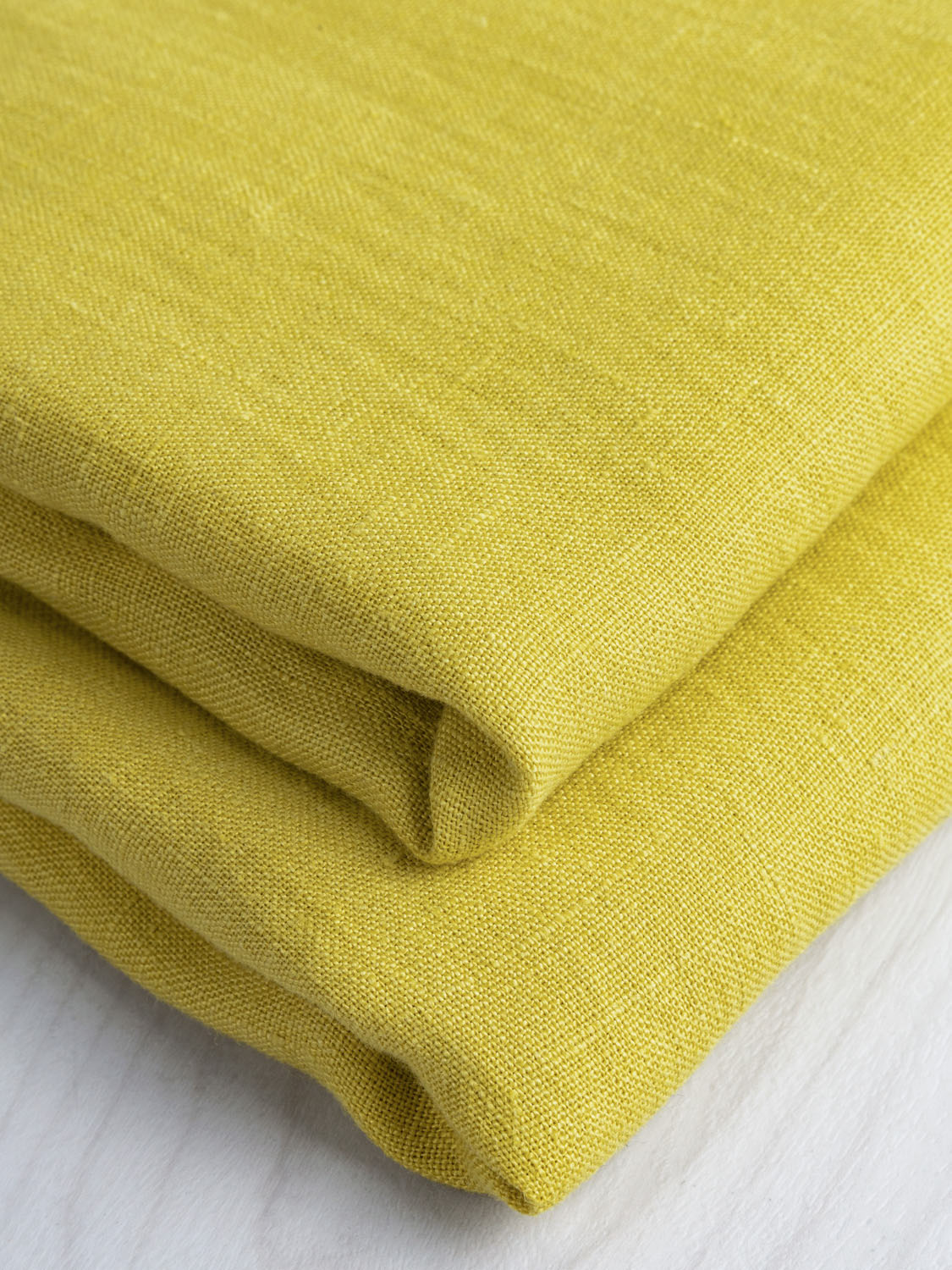


Pourquoi le lin s’assouplit avec le temps
L'assouplissement du lin au fil du temps s’explique par la structure unique des fibres de lin. Contrairement au coton, qui est déjà doux dès le départ et reste relativement stable, les fibres de lin sont naturellement plus rigides et plus fermes lorsqu’elles sont neuves. À chaque lavage et à l’usage, ces fibres se détendent progressivement et s’assouplissent, ce qui réduit leur rigidité sans compromettre leur solidité...

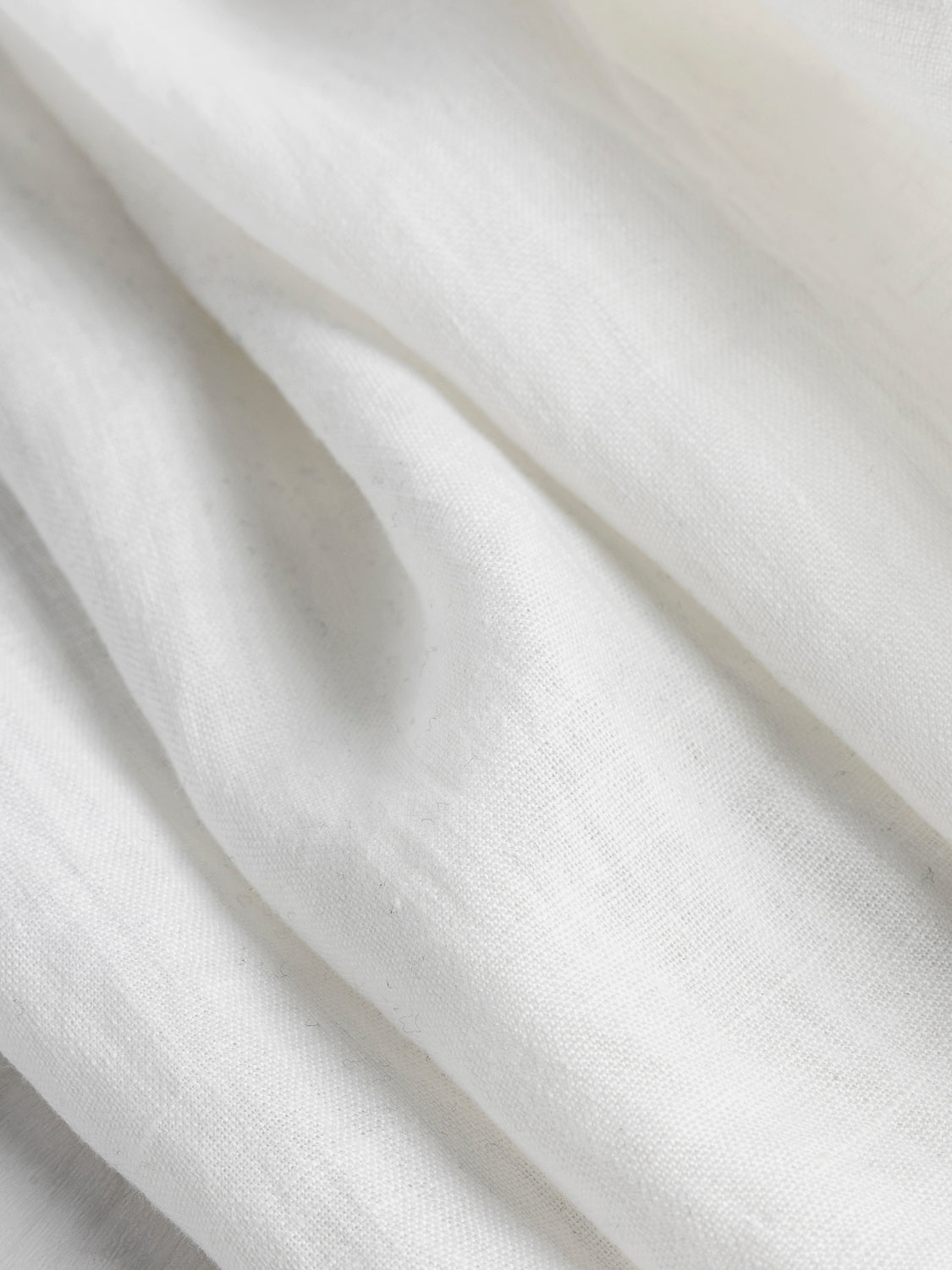
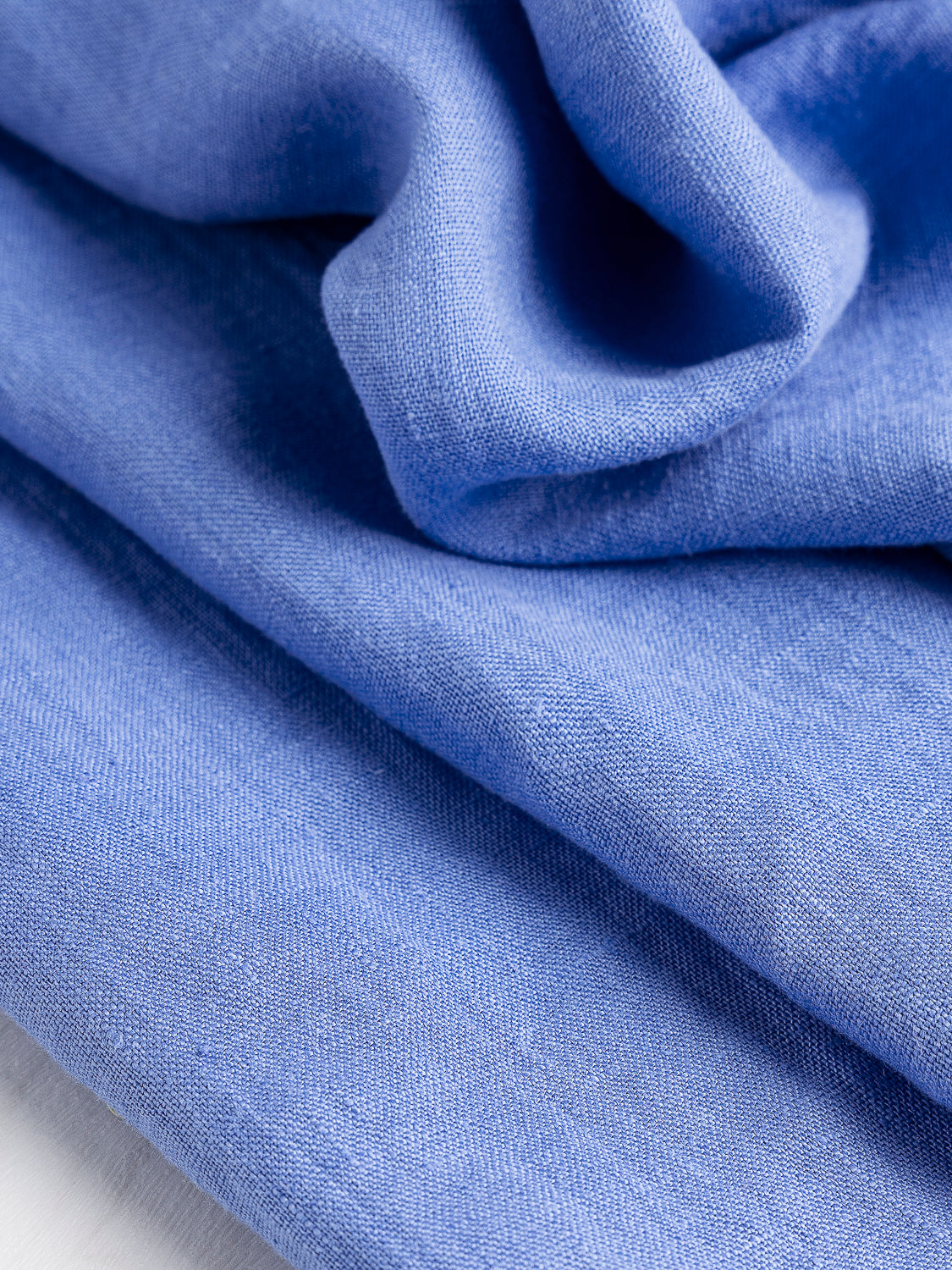
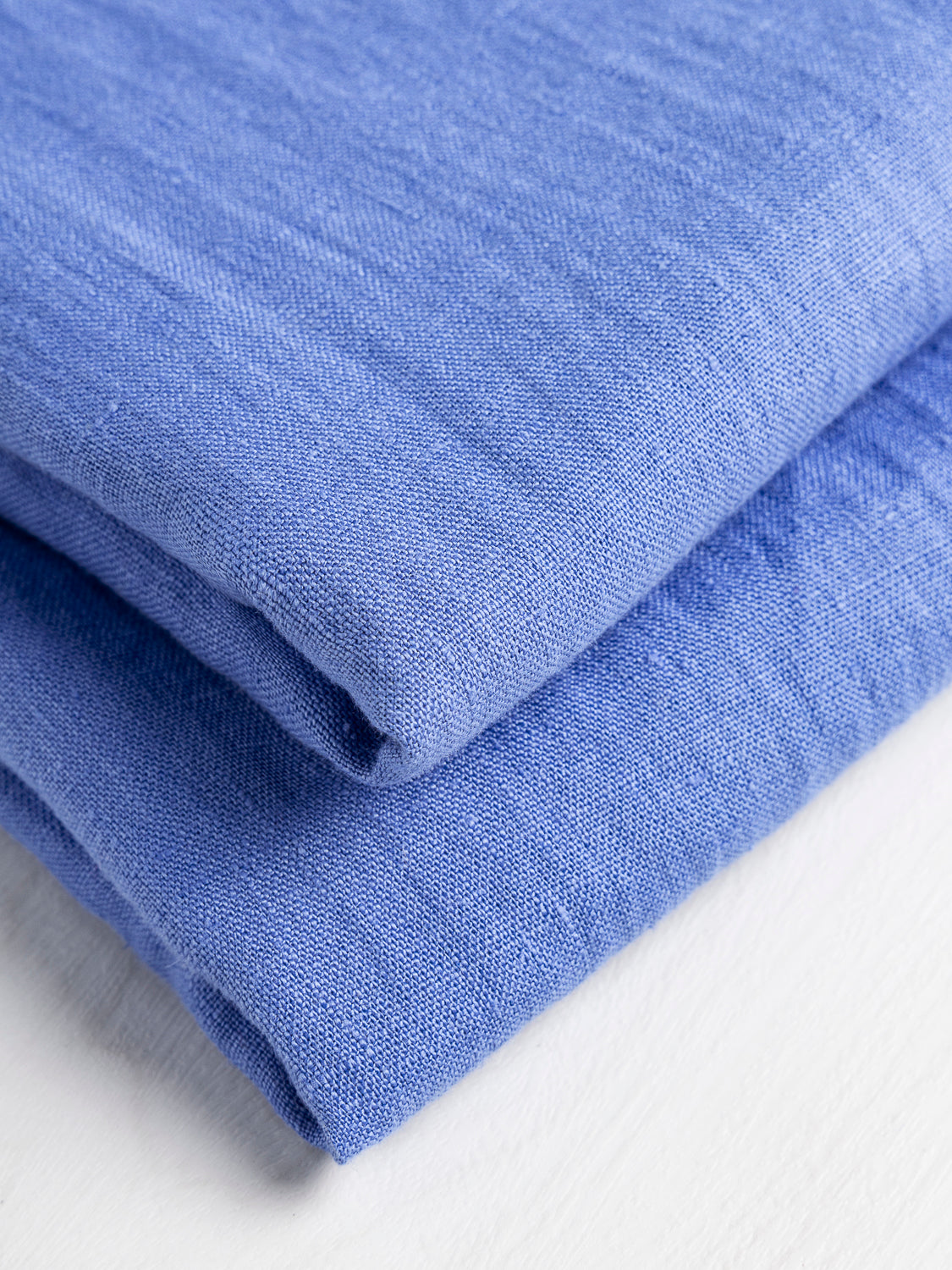
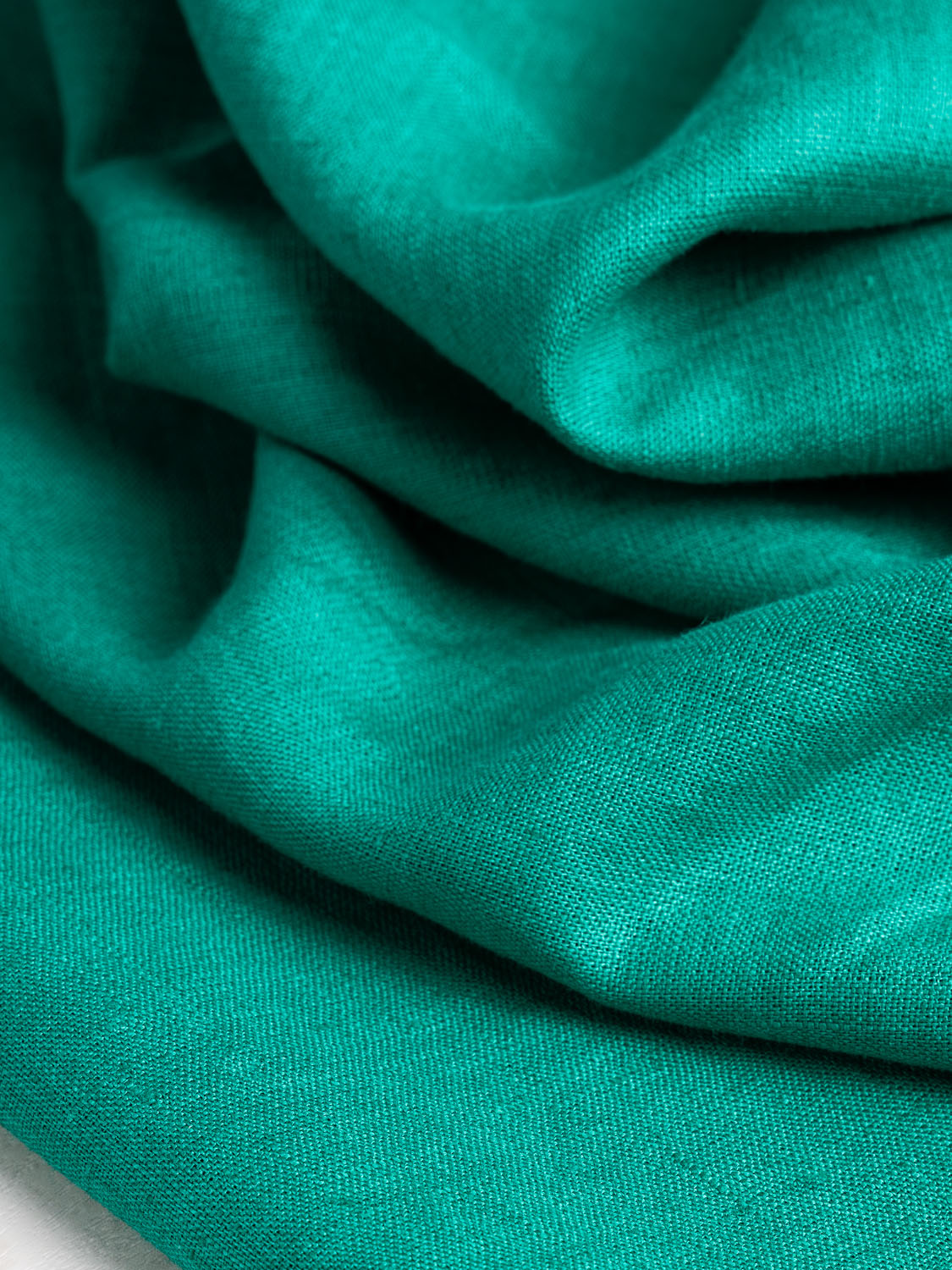
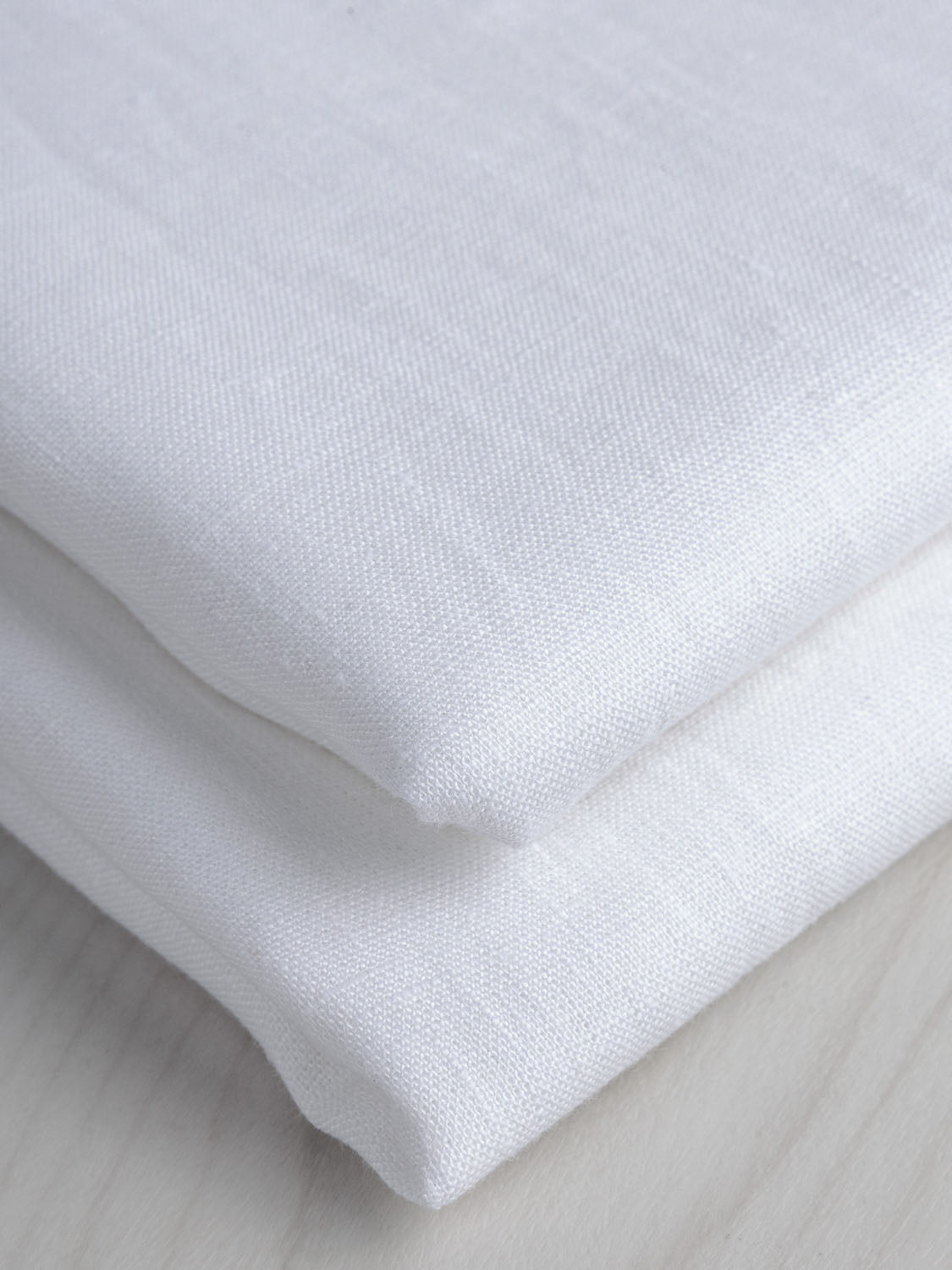
Lin européen de poids moyen
Notre lin le plus vendu, apprécié pour sa douceur dès la sortie du rouleau et son tombé souple et légèrement rebondissant. Parfaitement polyvalent pour la confection de chemises, robes et pantalons.
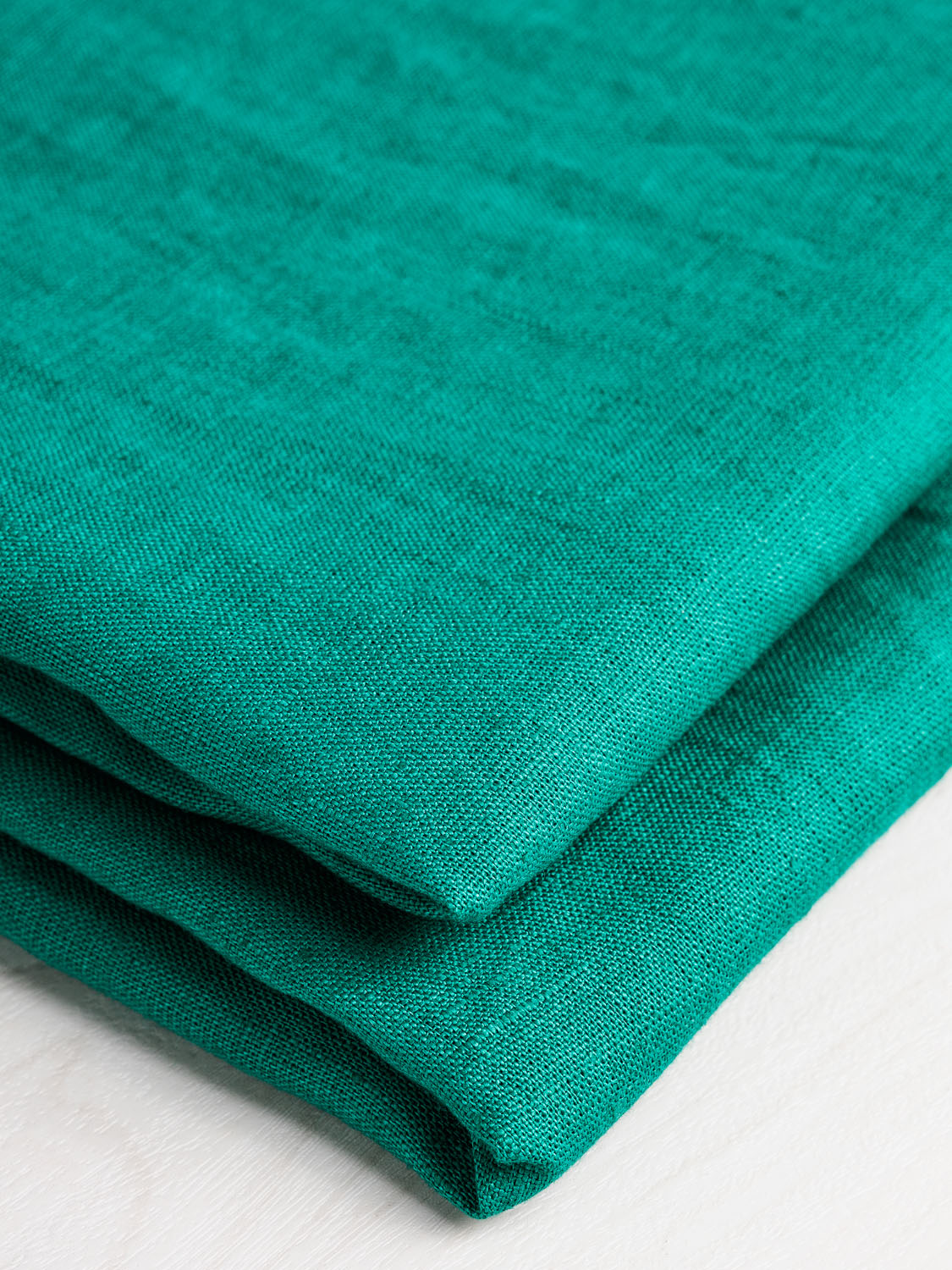
Lin européen de poids moyen
Notre lin le plus vendu, apprécié pour sa douceur dès la sortie du rouleau et son tombé souple et légèrement rebondissant. Parfaitement polyvalent pour la confection de chemises, robes et pantalons.

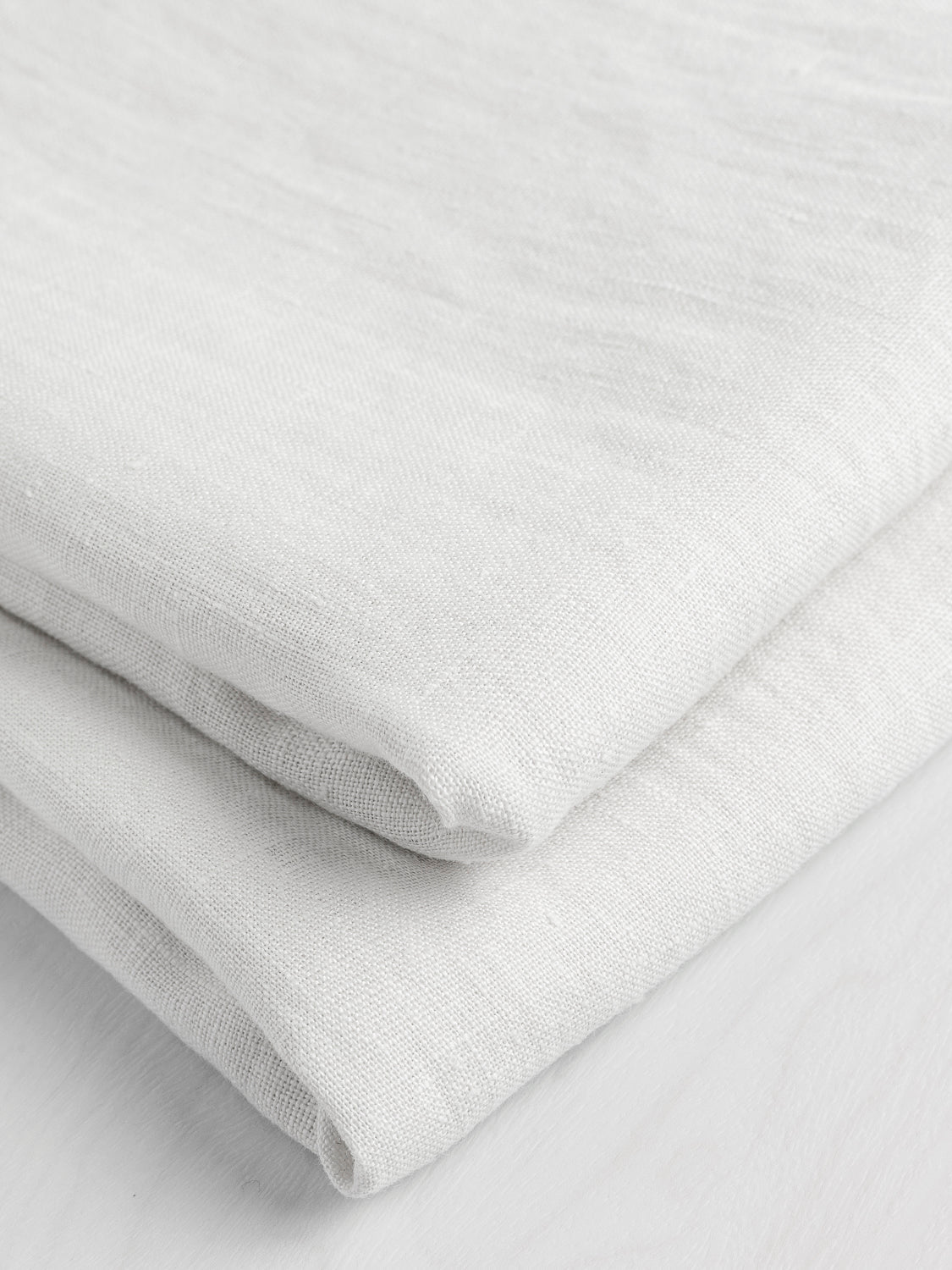
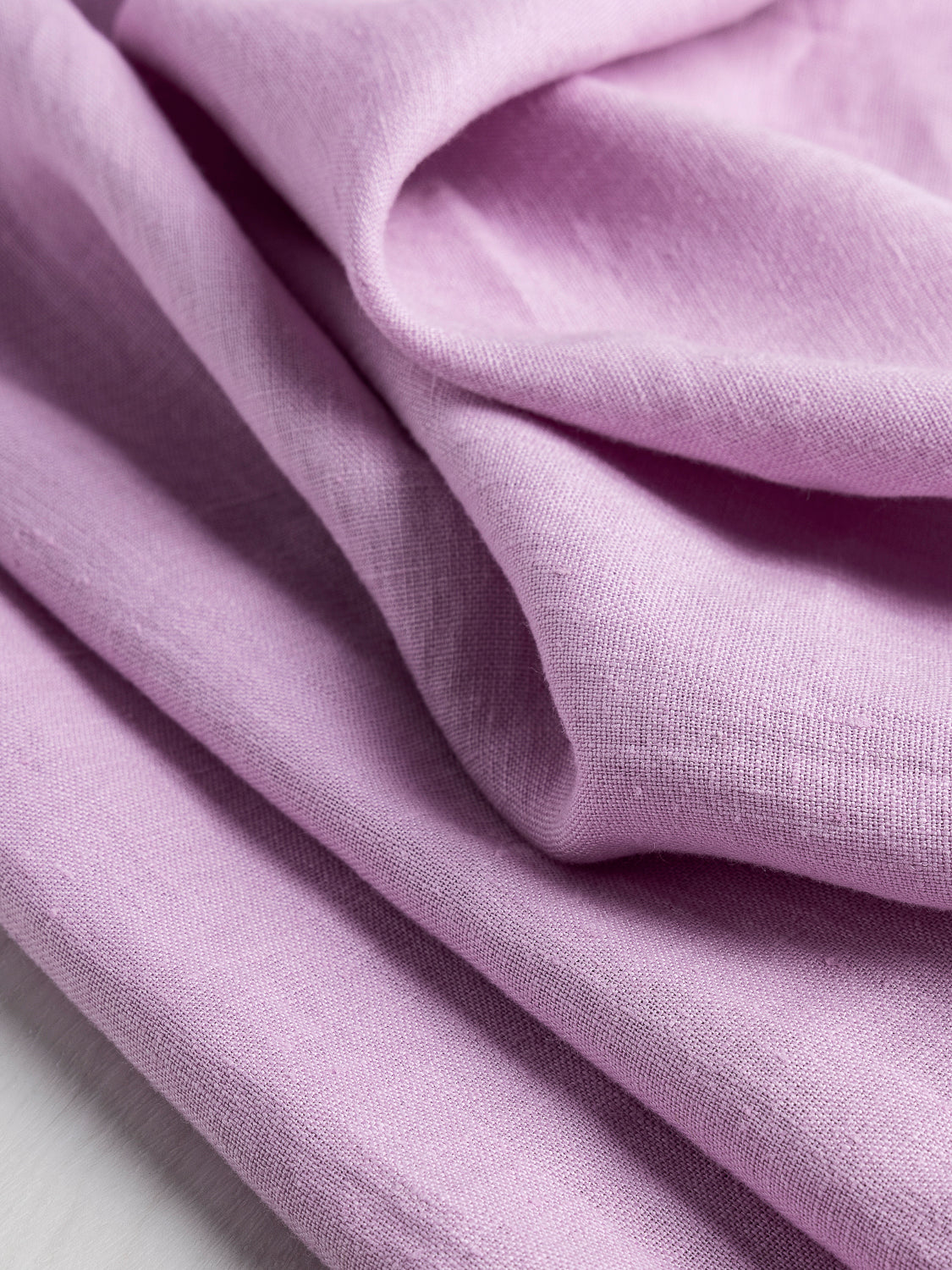
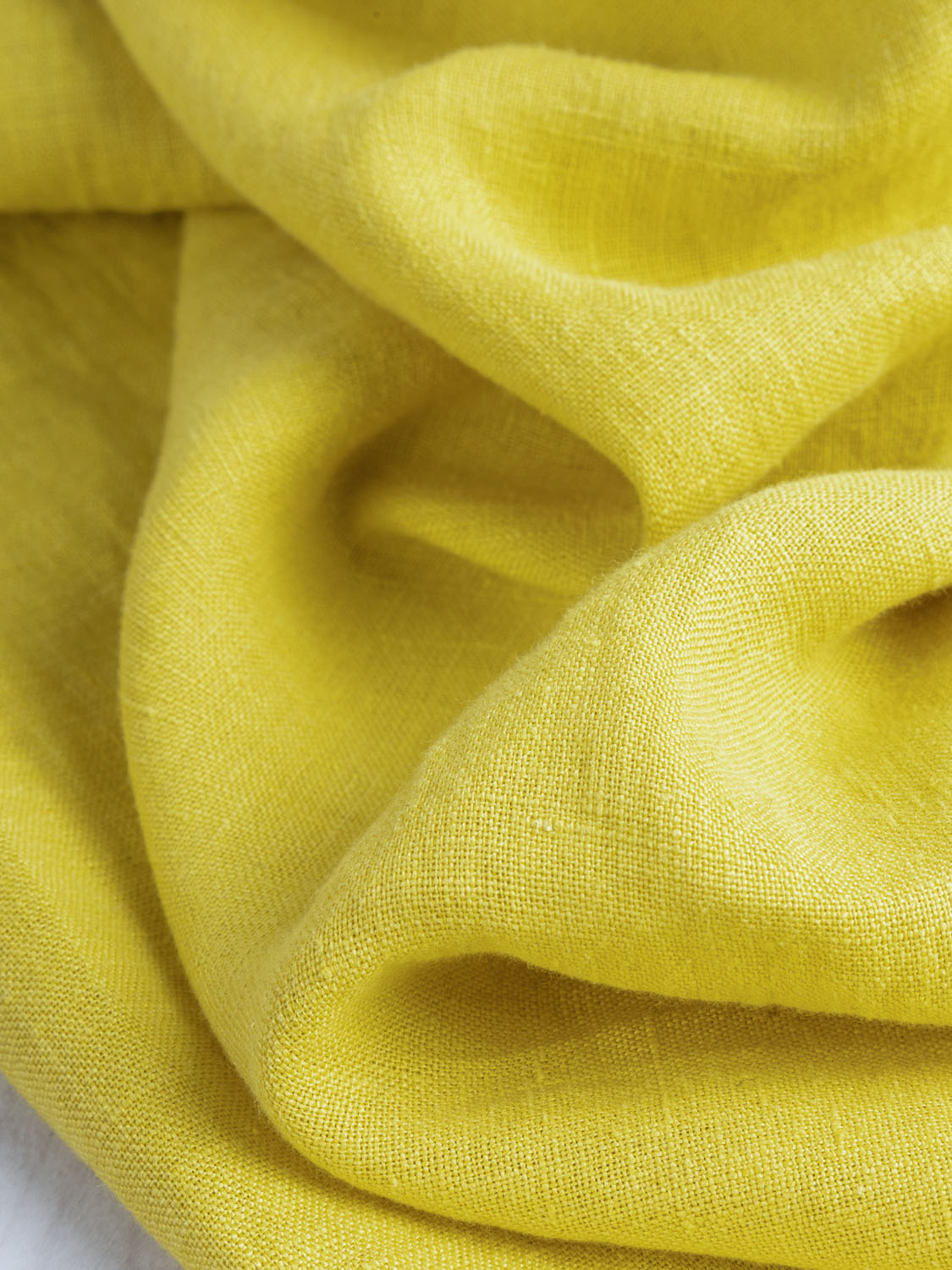
Lin européen léger
Son pendant plus léger offre un toucher plus net, un confort aérien et un charme rustique. Il s’assouplit magnifiquement avec le temps, ce qui en fait un choix idéal pour les chemises, robes et pièces de tailoring légères.
Désolé, il n'y a aucun produit dans cette collection.

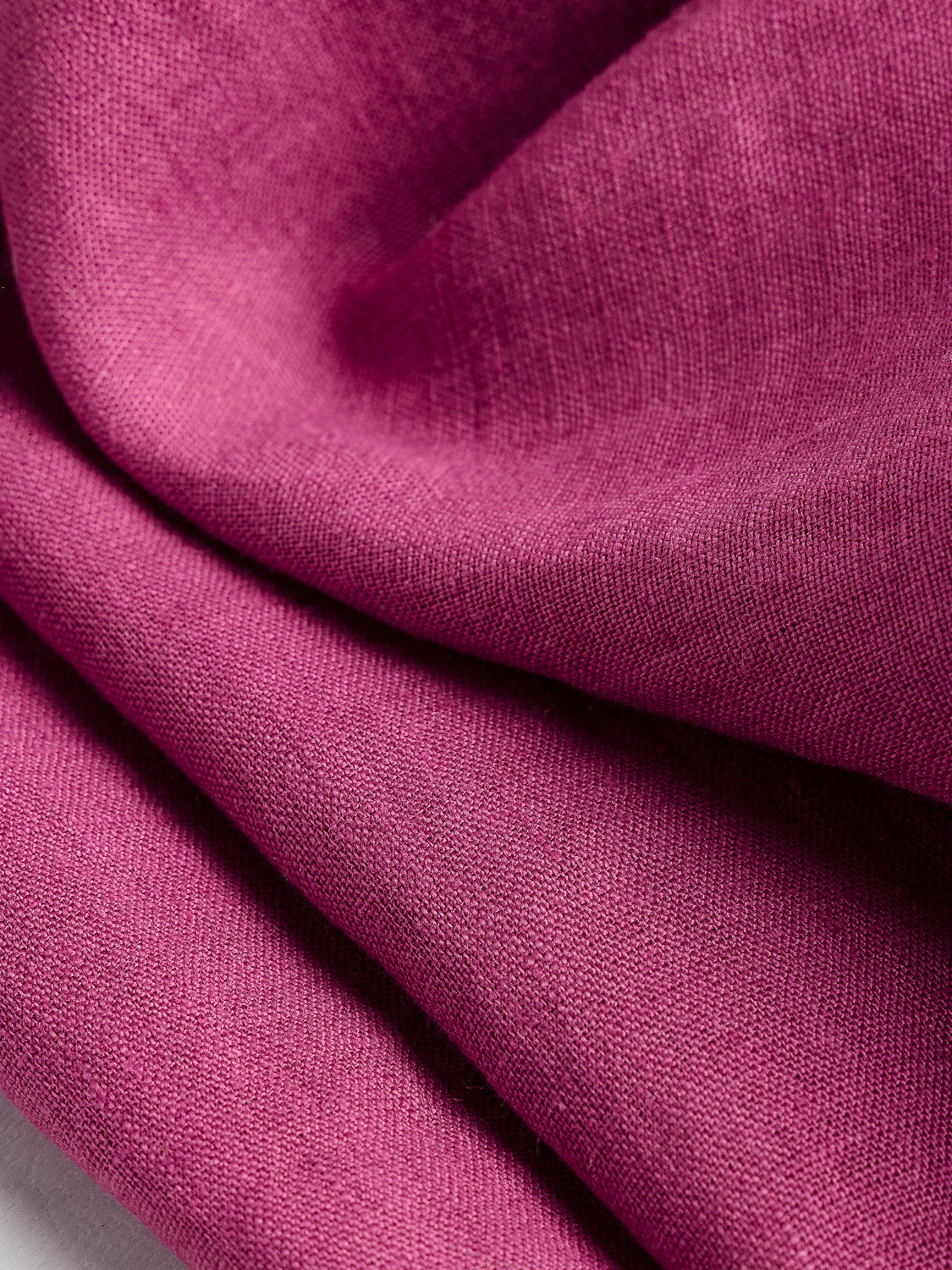
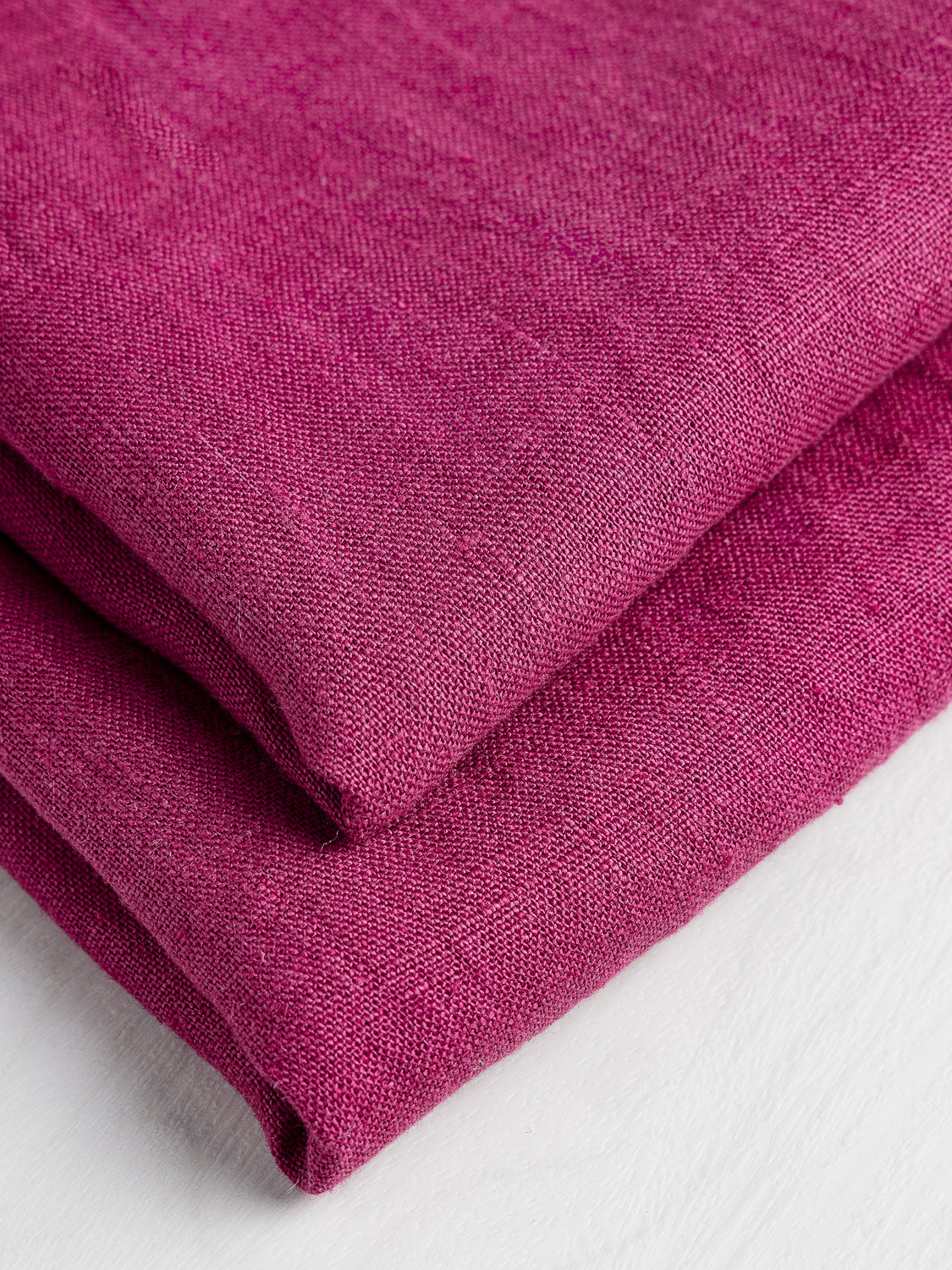
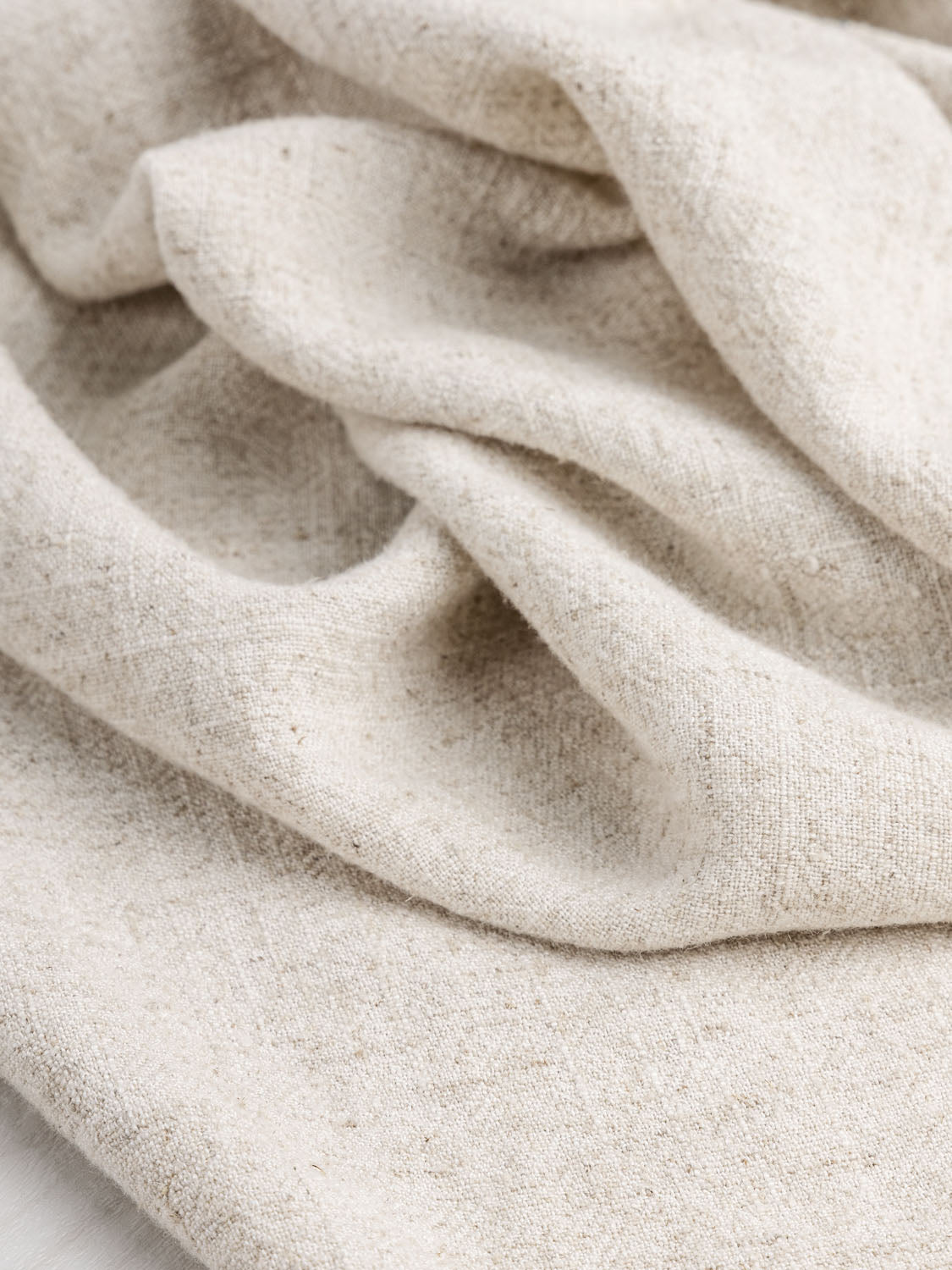
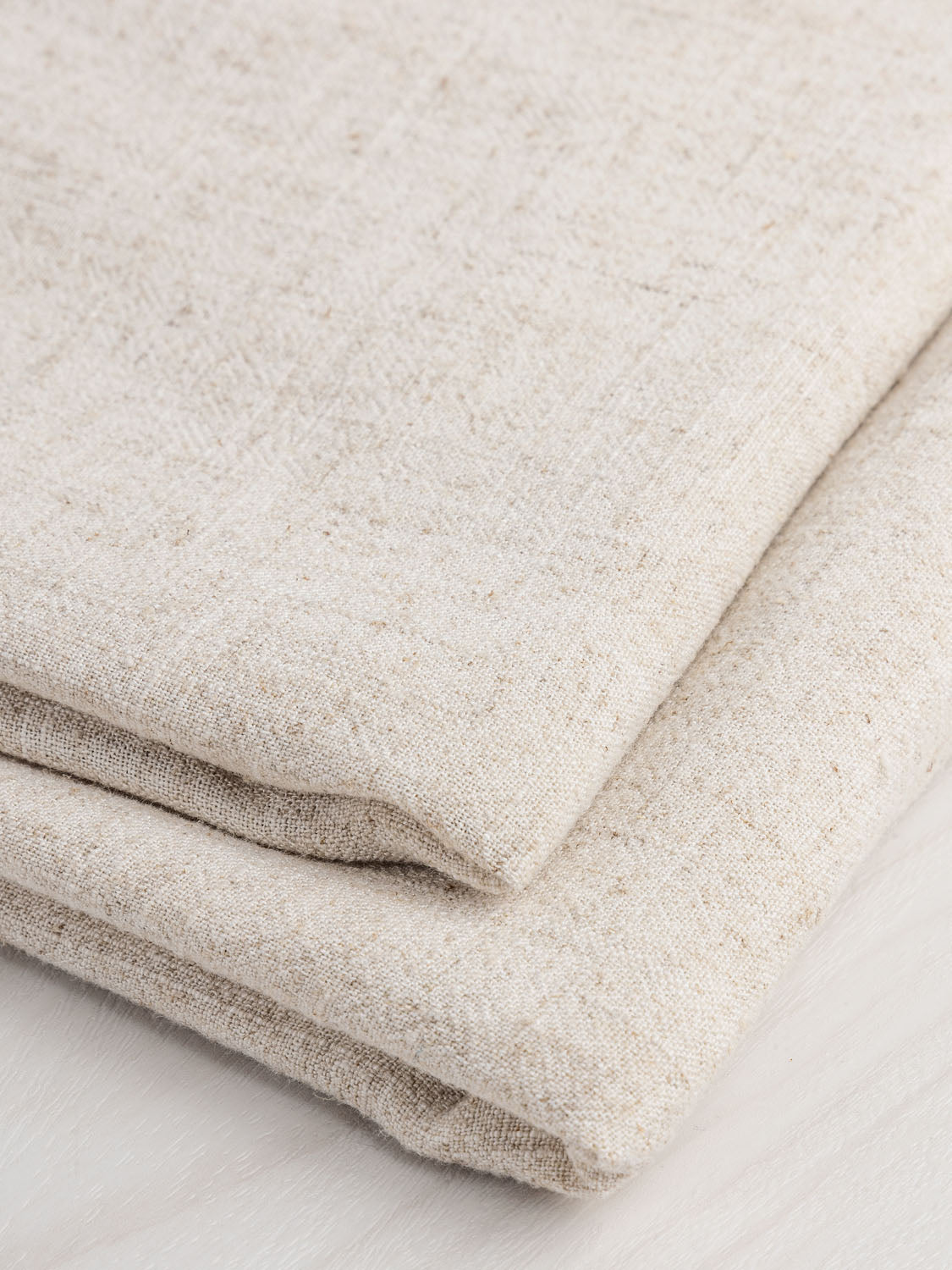
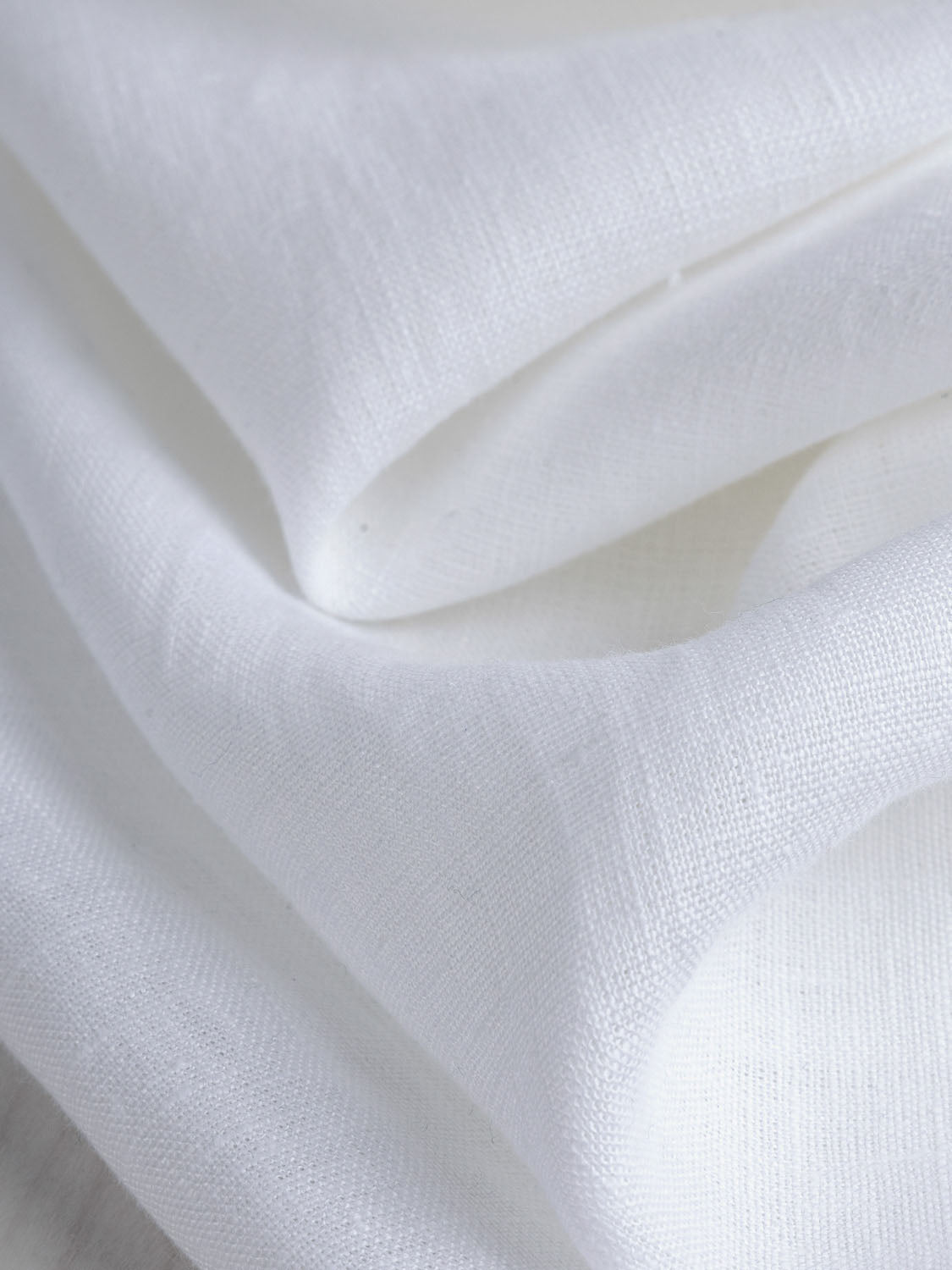
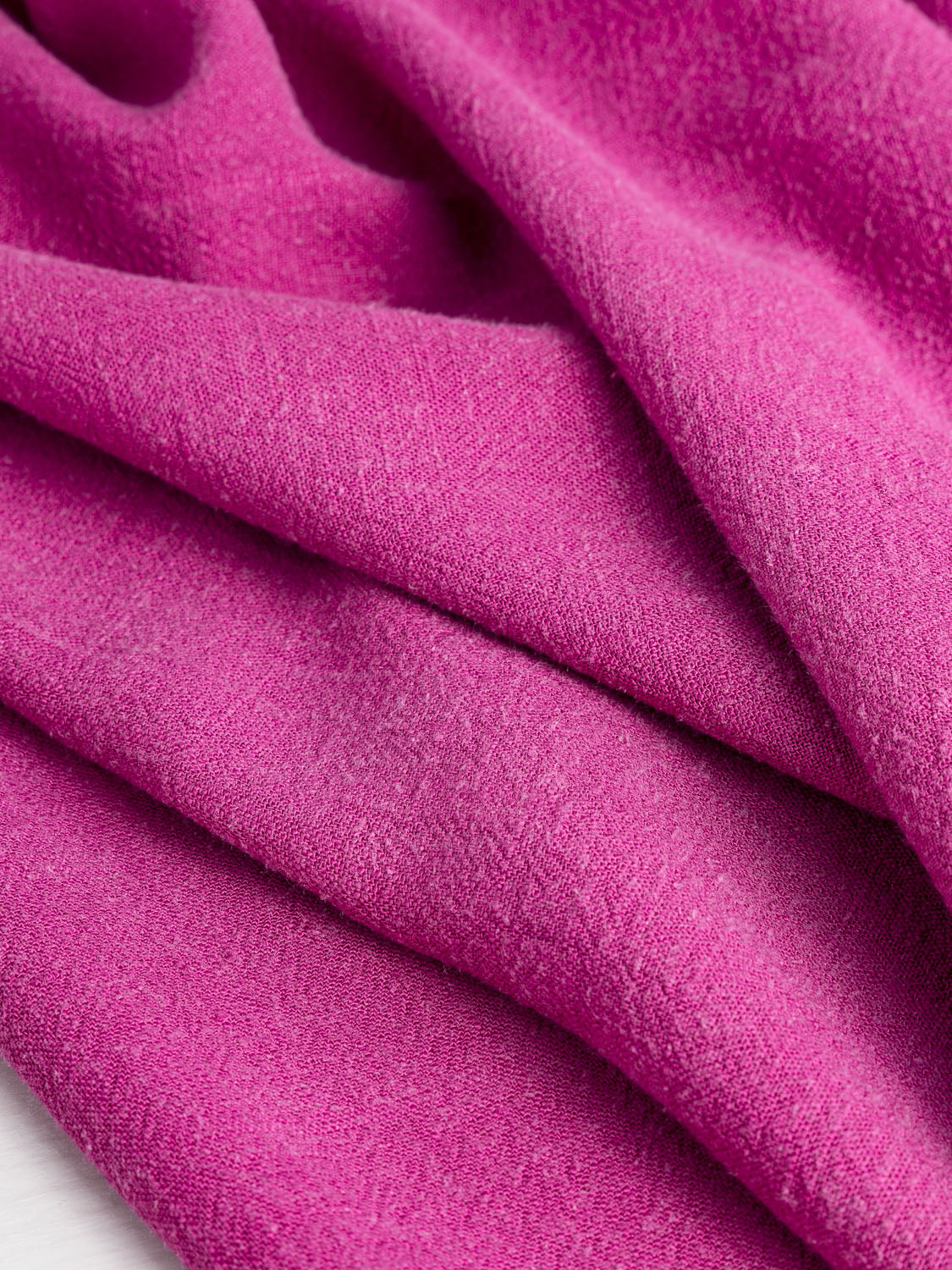
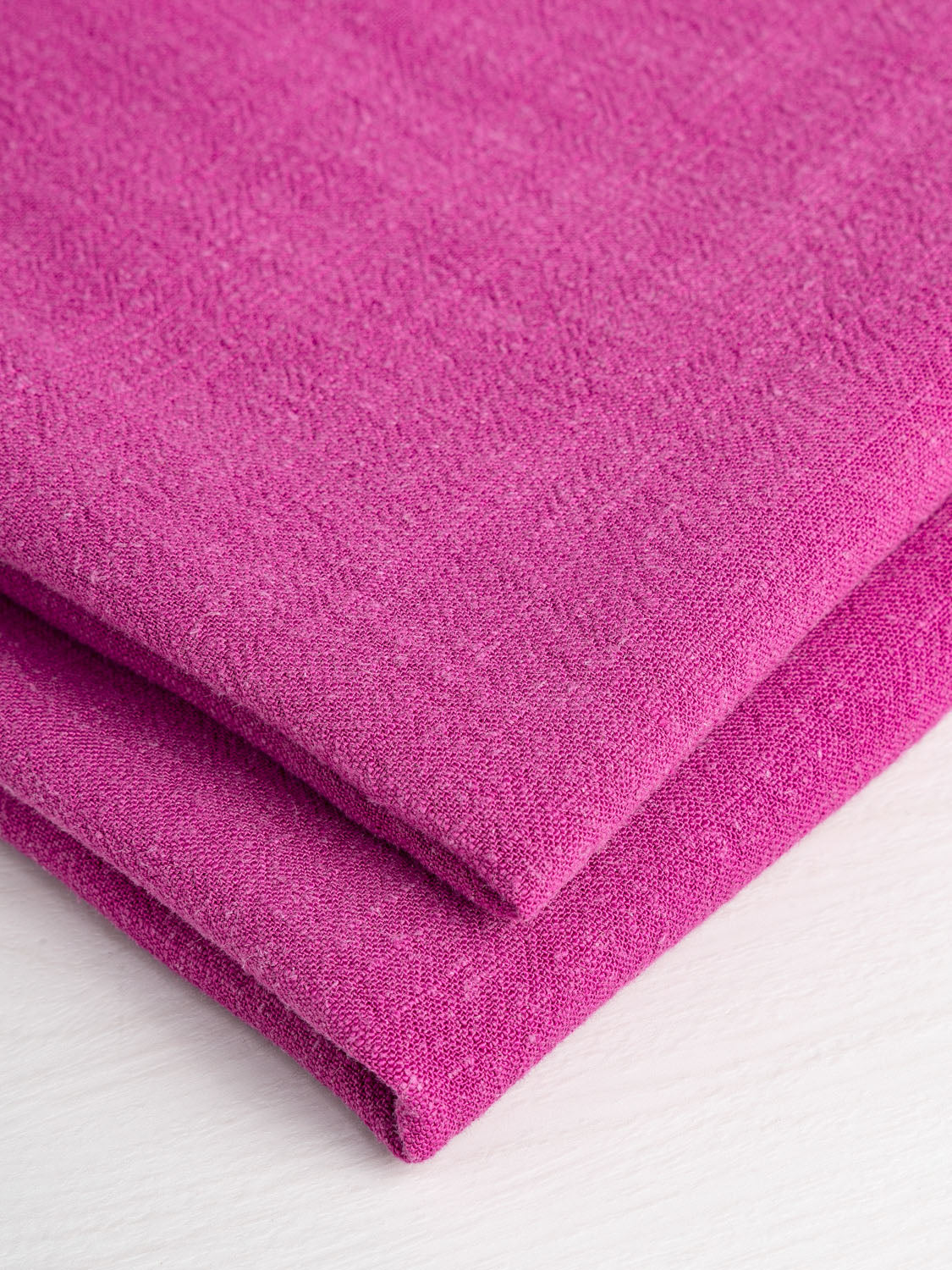
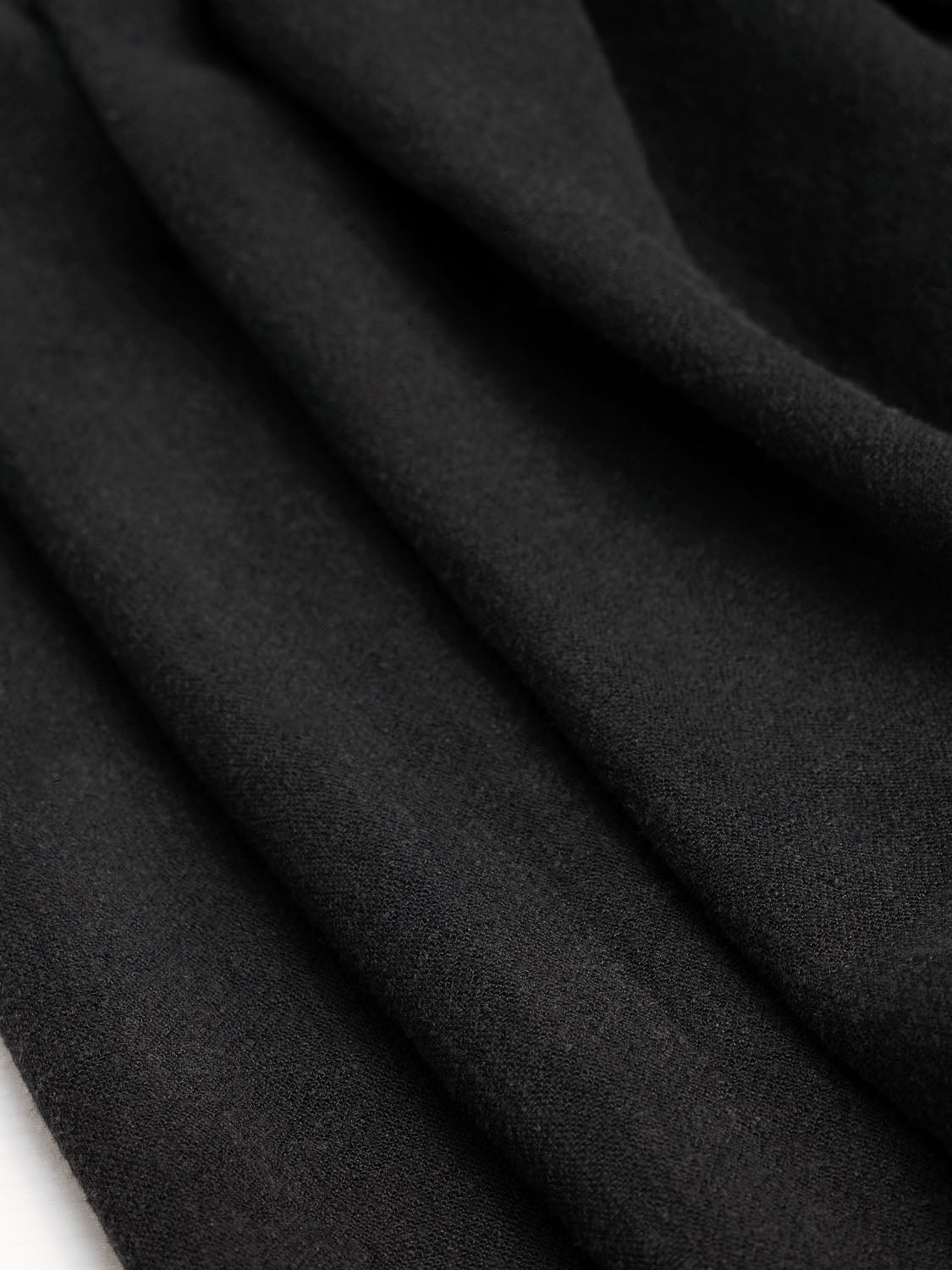
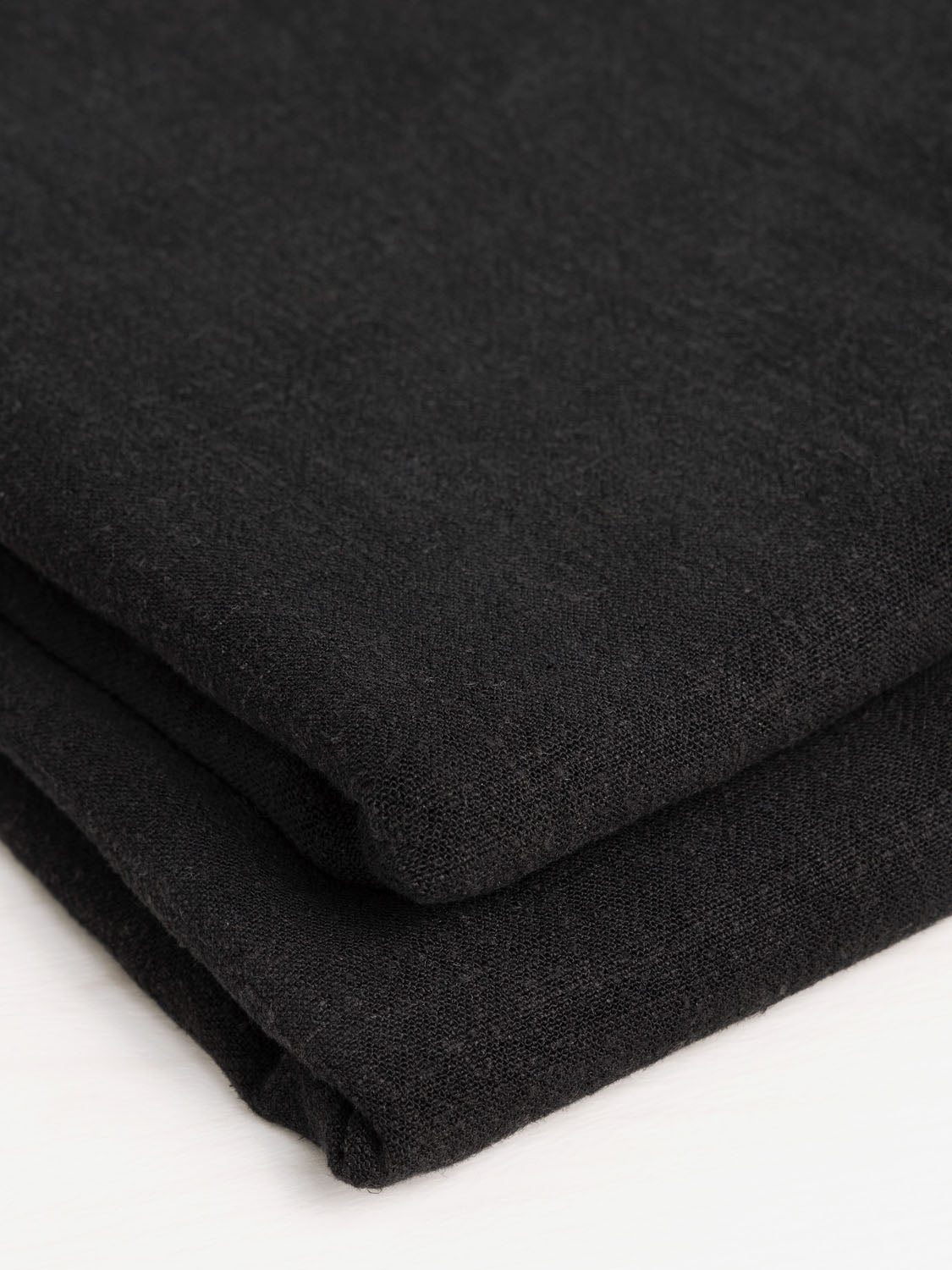
Viscose et lin texturé
Ce tissu de poids moyen associe le lin et la viscose pour un toucher doux, légèrement rustique, et un tombé exceptionnel, réunissant ainsi les meilleures qualités de ces deux fibres.
Viscose et lin texturé
Ce tissu de poids moyen associe le lin et la viscose pour un toucher doux, légèrement rustique, et un tombé exceptionnel, réunissant ainsi les meilleures qualités de ces deux fibres.


Nos patrons préférés pour le lin
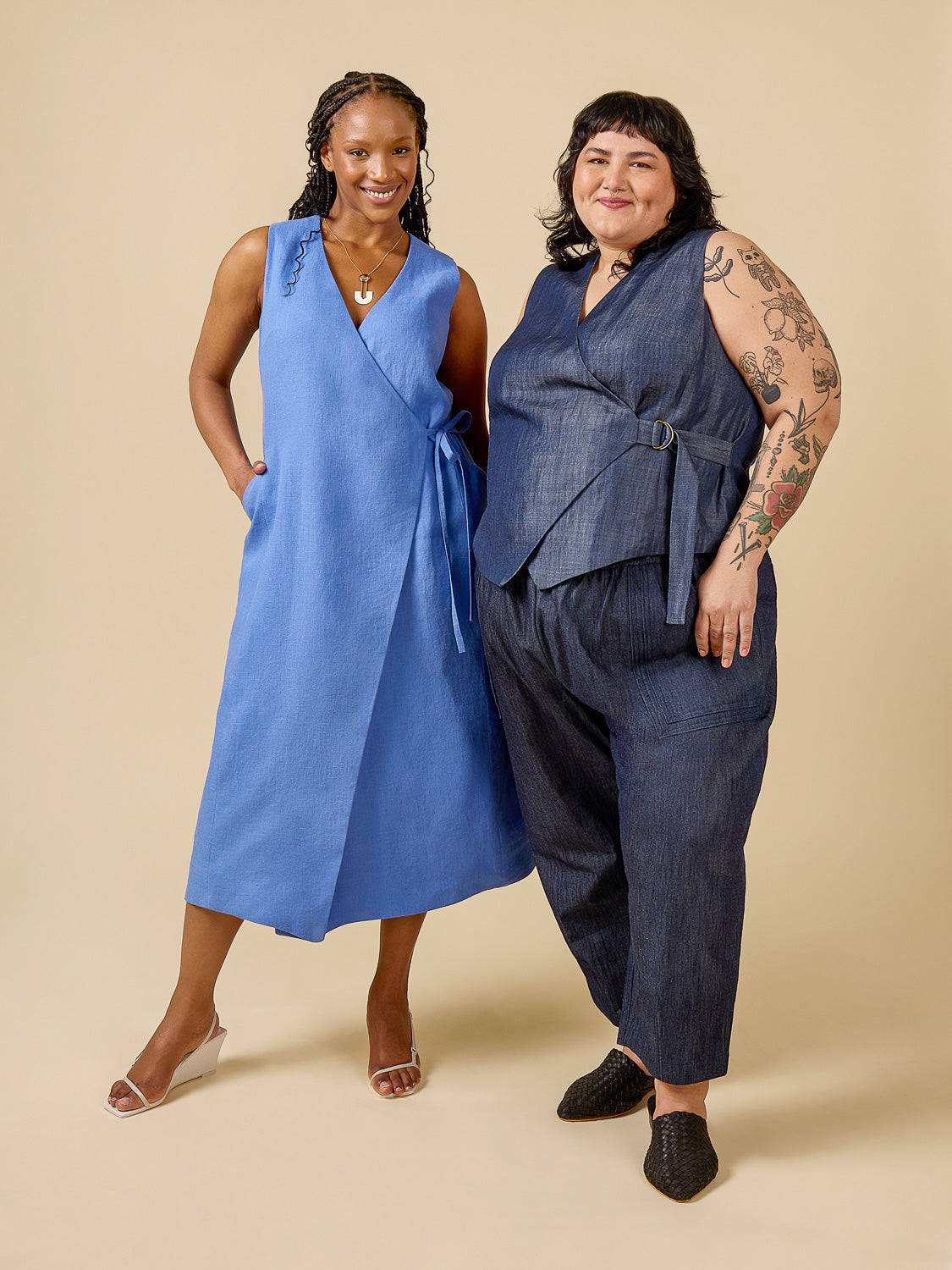


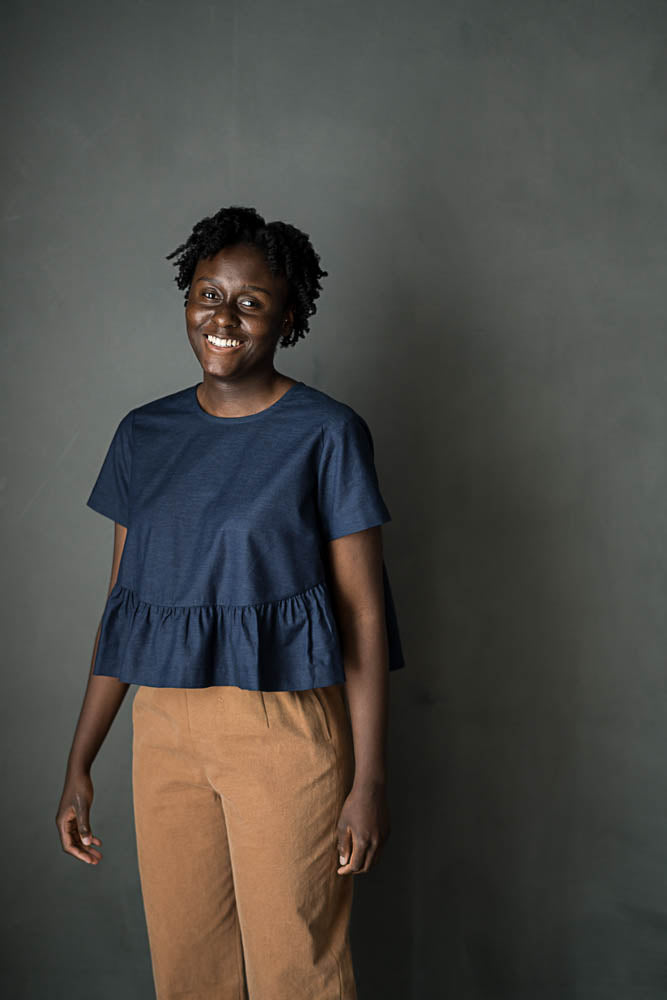
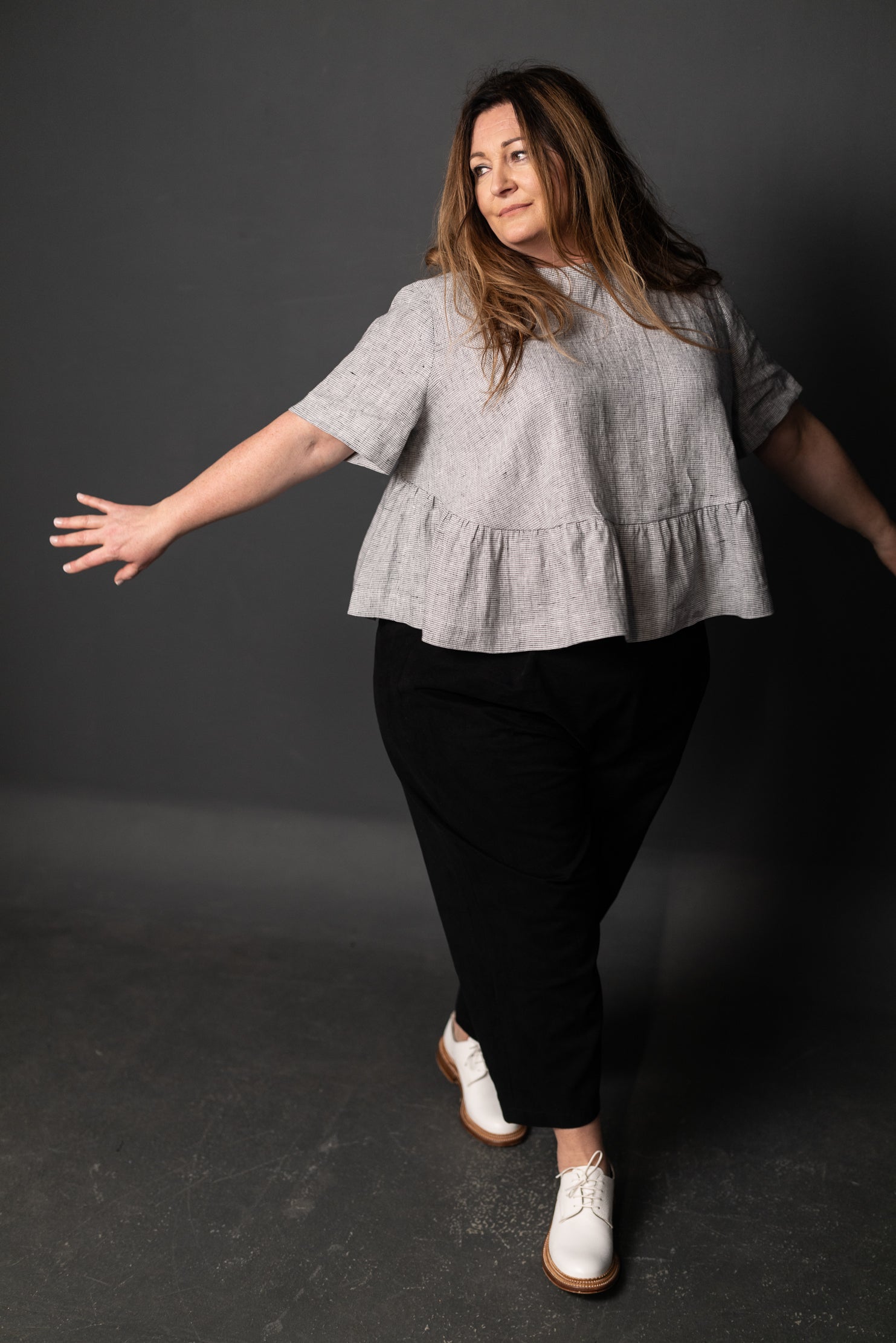
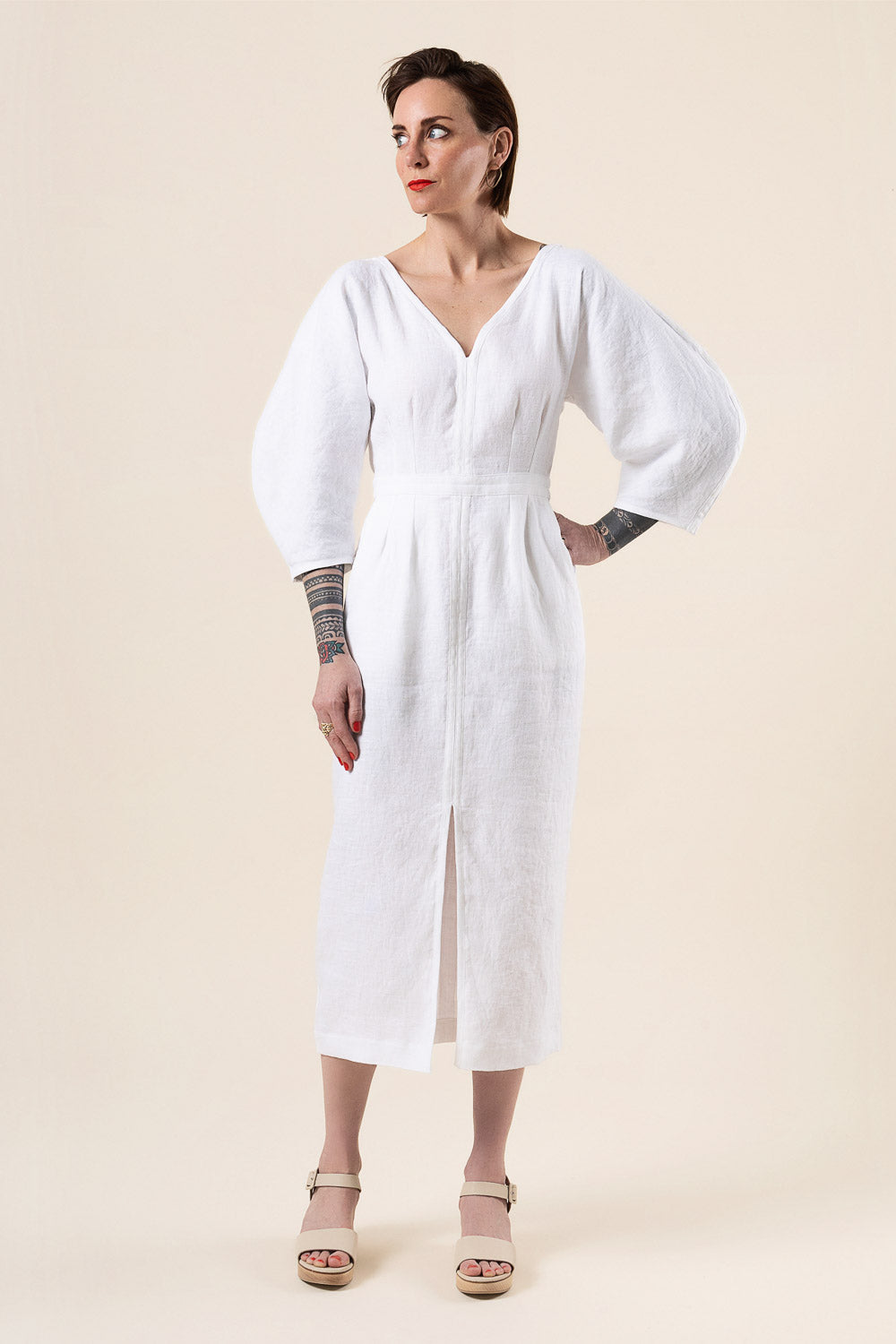
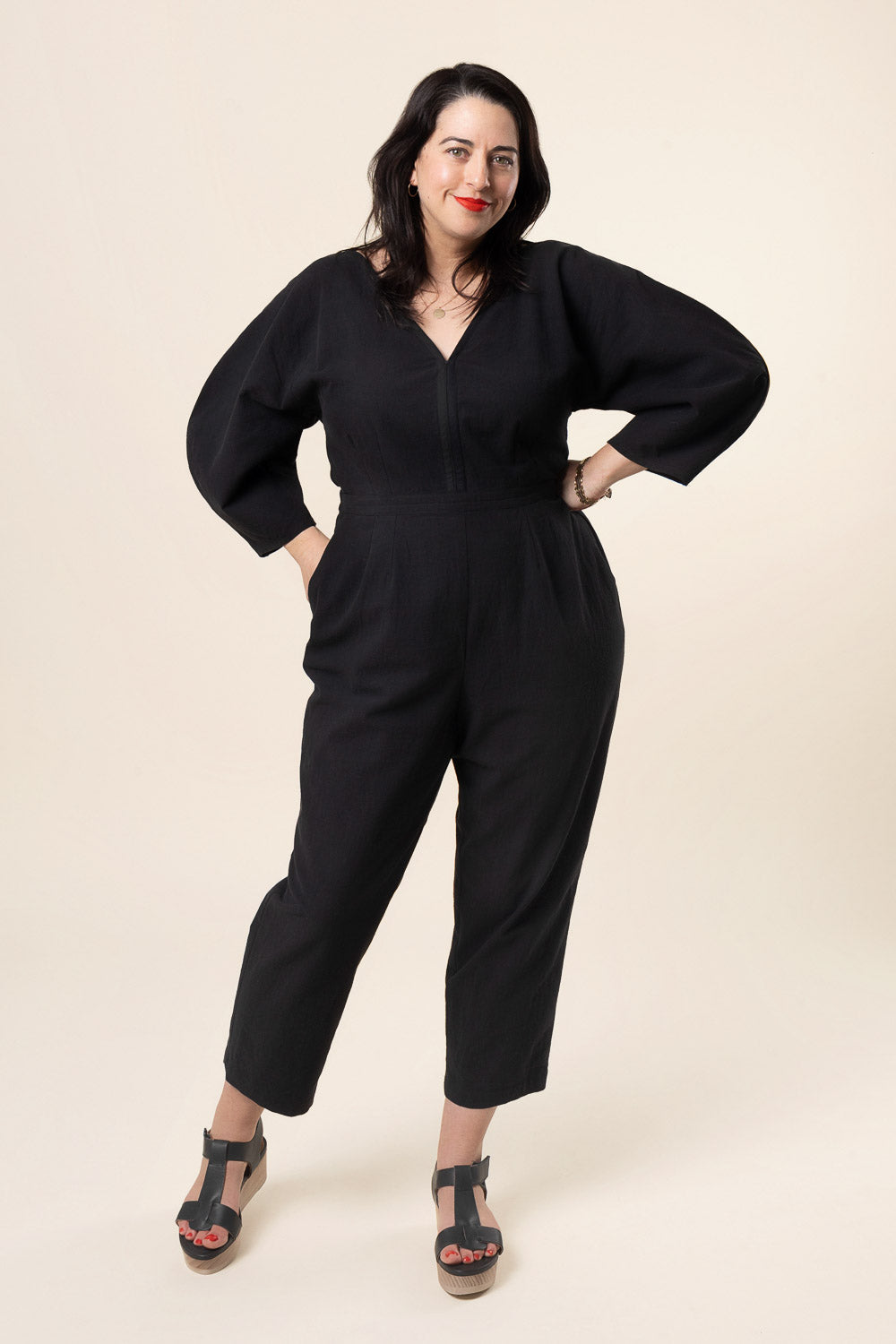


Lire la suite sur le blogue


Tissus de lin chez Core Fabrics
Chez Core Fabrics, les tissus en lin sont sélectionnés autant pour leur beauté que pour leur qualité, afin que chaque mètre de tissu soit aussi agréable à coudre qu’à porter. Notre collection de lin met en valeur des fibres naturelles provenant de manufactures de confiance, avec un accent sur la qualité, la transparence et une production plus responsable. Que vous cousiez des robes légères, des pantalons décontractés ou des hauts du quotidien, chaque lin est choisi pour sa durabilité, sa respirabilité et son tombé intemporel afin de soutenir votre garde-robe faite main.
-
Notre collection de tissus en lin est pensée pour les couturières et couturiers, en proposant une gamme d’options de haute qualité pour vos projets vestimentaires. Vous y trouverez des lins légers au tombé net, parfaits pour les chemises et les créations aériennes, ainsi que des lins européens de poids moyen au toucher doux et légèrement rebondi, idéals pour les hauts, robes et pantalons. Nous proposons également, à l’occasion, des tissus tailleur en lin de fin de rouleau, ainsi qu’une sélection réfléchie de mélanges de lin, incluant un mélange viscose–lin texturé qui associe la respirabilité du lin à la fluidité de la viscose pour des vêtements aussi agréables à porter qu’à regarder. Chaque fiche produit précise clairement la composition, la largeur et les usages recommandés, afin de vous aider à choisir le tissu en lin idéal pour votre prochain projet de couture en toute confiance.
-
Le lin est réputé pour sa facilité d’entretien et devient plus doux à chaque lavage. Nous recommandons de laver votre tissu en lin à l’eau froide ou tiède avec un détergent doux. Le séchage en machine à basse température est possible, mais pour un rendu plus net, le séchage à l’air libre est idéal. Le lin assume naturellement les plis, mais un repassage rapide à température moyenne-élevée (sur un tissu encore légèrement humide) permet de le lisser si désiré. Un bon entretien garantit la longévité de vos vêtements en lin pendant de nombreuses années.
Conseils pour la durabilité
Pour maximiser la durée de vie de vos créations en lin, nous recommandons de prélaver votre tissu avant la couture afin d’anticiper tout rétrécissement potentiel. Utilisez une aiguille universelle ou fine et du fil tout usage de qualité. Les fibres naturelles de lin sont solides, mais la finition des coutures aidera à prévenir l’effilochage et à renforcer la durabilité de votre vêtement. Conserver vos pièces en lin dans un endroit frais et sec, à l’abri de la lumière directe du soleil, contribuera également à préserver la fibre et les couleurs.
-
Bien que le lin 100 % soit un classique, les mélanges de lin offrent des propriétés uniques qui rendent la couture de vêtements encore plus agréable. Un mélange lin–coton combine la douceur et la familiarité du coton avec le toucher net et la respirabilité du lin, donnant souvent un tissu qui se froisse légèrement moins tout en restant frais et confortable.
Les mélanges lin–viscose associent la texture naturelle du lin au tombé fluide de la viscose, ce qui les rend particulièrement adaptés aux robes, blouses et pantalons qui bénéficient d’un peu plus de mouvement et de douceur. Chaque mélange offre un équilibre différent entre structure, drapé et facilité d’entretien, élargissant ainsi les possibilités pour votre garde-robe faite main.
-
Le lin est souvent considéré comme l’un des textiles les plus durables, car il est fabriqué à partir du lin, une plante robuste qui pousse avec une irrigation minimale et relativement peu de pesticides comparativement à de nombreuses autres fibres. Une grande partie de la plante de lin peut être utilisée, ce qui contribue à réduire le gaspillage agricole, et les fibres de lin sont naturellement biodégradables, ce qui signifie que vos vêtements en lin ont un impact moindre en fin de vie que les tissus synthétiques qui persistent dans les sites d’enfouissement pendant des décennies.
-
Absolument ! La polyvalence du lin est l’un de ses plus grands atouts. Le lin est une fibre naturelle prisée pour sa respirabilité, sa solidité et sa texture distinctive, mais il est aussi apprécié pour ses propriétés thermorégulatrices, qui le rendent confortable bien au-delà de la saison estivale. Il aide à évacuer la chaleur et l’humidité par temps chaud, tout en offrant confort et isolation lorsqu’il est porté en superposition durant les saisons plus fraîches. Les lins légers sont nets et aérés sur la peau, tandis que les lins de poids moyen offrent suffisamment de tenue et de chaleur pour des vêtements de transition ou à porter toute l’année. Durable, facile d’entretien et s’assouplissant magnifiquement avec le temps, le lin est un excellent choix pour des vêtements du quotidien pensés pour être portés en toute saison.
-
Le lin pur est composé à 100 % de fibres de lin, ce qui lui confère sa texture caractéristique, sa solidité et sa grande respirabilité. Un mélange de lin, en revanche, est un tissu dans lequel le fil de lin est tissé avec celui d’une autre fibre, comme le coton, la viscose ou le chanvre. Cette association permet de combiner les meilleures qualités des deux textiles : par exemple, un mélange avec du coton peut rendre le tissu plus doux et moins sujet au froissement, tout en conservant en grande partie la sensation de fraîcheur propre au lin.
Explorez notre collection complète de tissus en lin de haute qualité et trouvez la matière parfaite pour votre projet !