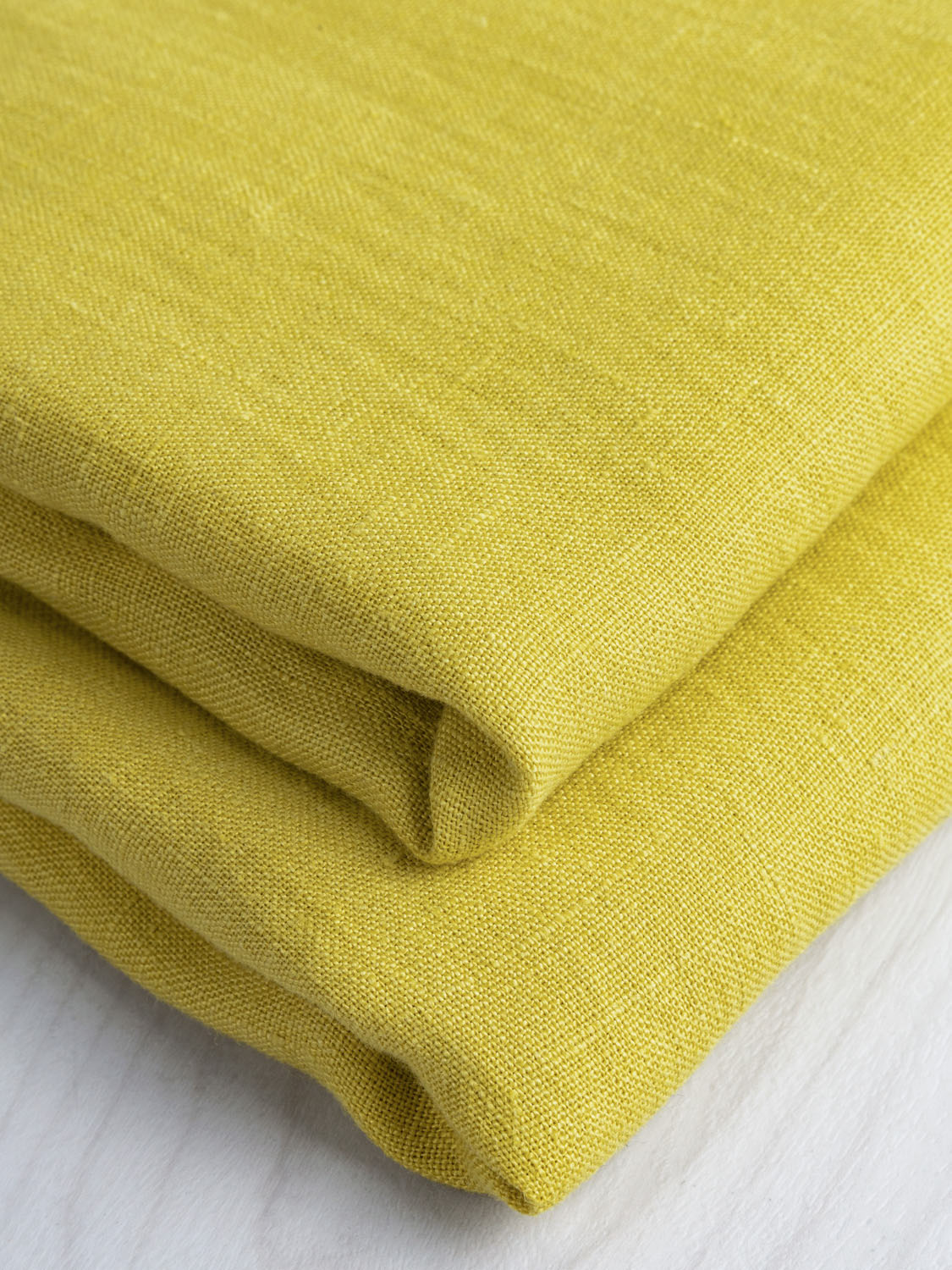
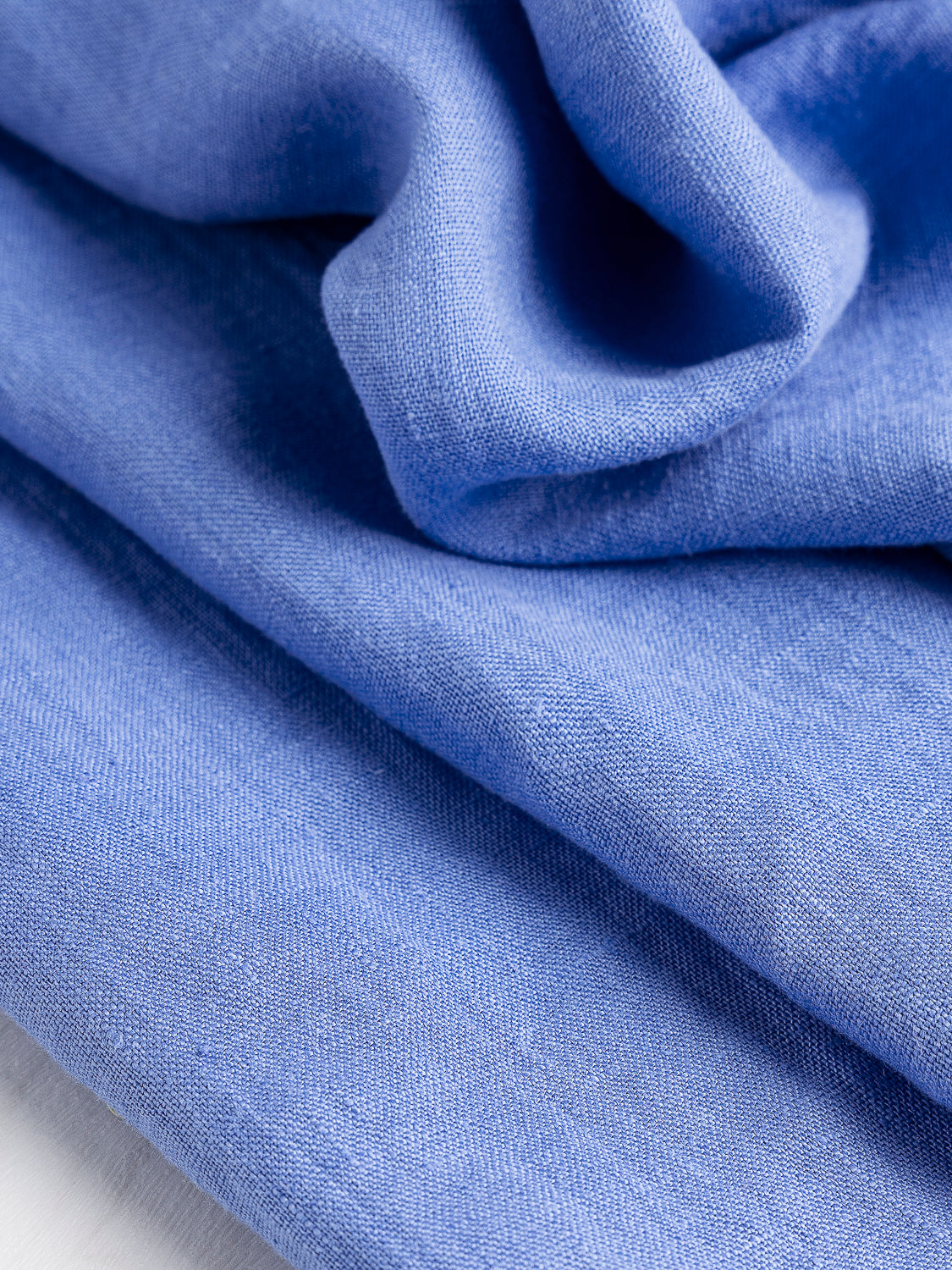
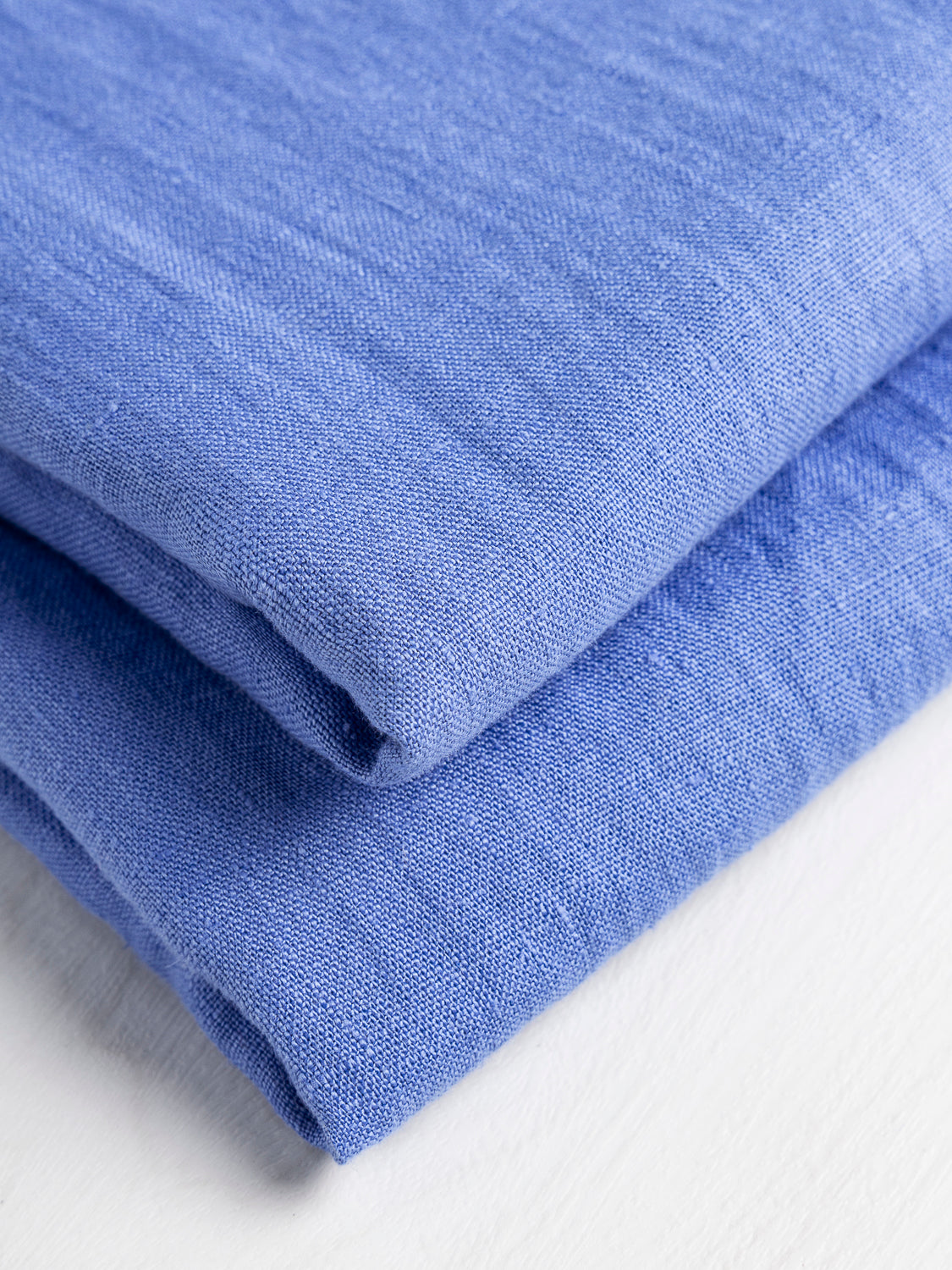
Quick answer: Linen becomes softer because flax fibres relax through washing, movement, and wear. Unlike cotton, which often softens through fibre breakdown, linen grows more supple as its long, strong fibres flex and settle into a smoother drape without losing durability.
If you’ve ever sewn with or worn linen, you’ve seen this transformation yourself. What starts crisp and structured gradually becomes relaxed, fluid, and incredibly comfortable. That change is built into the structure of the fibre.
In this article, we’ll explain the science behind linen softening, how it compares to cotton and hemp, and how to gently encourage the process at home.
The Science Behind Linen Softening (Flax Fibre Explained)
Linen is made from flax fibres, which are naturally long, strong, and less elastic than cotton. Because they don’t easily spring back once bent, new linen feels crisp and holds its shape, and its wrinkles.
At a microscopic level, flax is composed of tightly organized cellulose structures. This gives linen its strength and initial firmness. But as linen is washed and worn, those fibres go through repeated flexing. Over time, the yarns relax and shift more freely against one another.
Linen doesn’t soften because it’s wearing out. It softens because it’s adapting. And honestly, that feels like one of the quiet lessons of linen: strength and softness aren’t opposites. Sometimes they arrive together, slowly, through repetition. The fabric becomes more fluid while maintaining its strength, one of the reasons high-quality linen can last for decades.
Linen wrinkles easily for the same reason: low elasticity. The fibres don’t readily recover once creased. As the fabric softens, those wrinkles become less sharp and more lived-in.
And in a funny twist, flax (the plant) contains lignans which are antioxidant compounds sometimes used in skincare to support healthy-looking skin. So… linen wrinkles, but flax helps fight wrinkles? Make it make sense? In reality, those properties don’t carry into the finished textile. Linen won’t smooth your skin, it simply wears its own wrinkles beautifully.
Linen vs Cotton vs Hemp: How They Soften Differently
All three are natural fibres, but they age very differently.
Cotton feels soft right away because its fibres are shorter and more flexible. Over time, however, cotton often softens through fibre breakage and surface fuzzing, which can lead to thinning and pilling.
Linen begins firm but softens through fibre relaxation, not breakdown. Its long flax fibres flex and settle over time, maintaining durability while improving drape.
Hemp behaves similarly to linen but softens more slowly. Hemp fibres are coarser and contain more lignin, so the fabric starts stiffer and retains a more rugged hand even after extended wear.
At Core Fabrics, we love all three, but linen’s balance of breathability, strength, and long-term softness makes it especially well suited to everyday garments and heirloom-quality makes.
Our Midweight European Linen Fabric Is Soft Right Off the Bolt
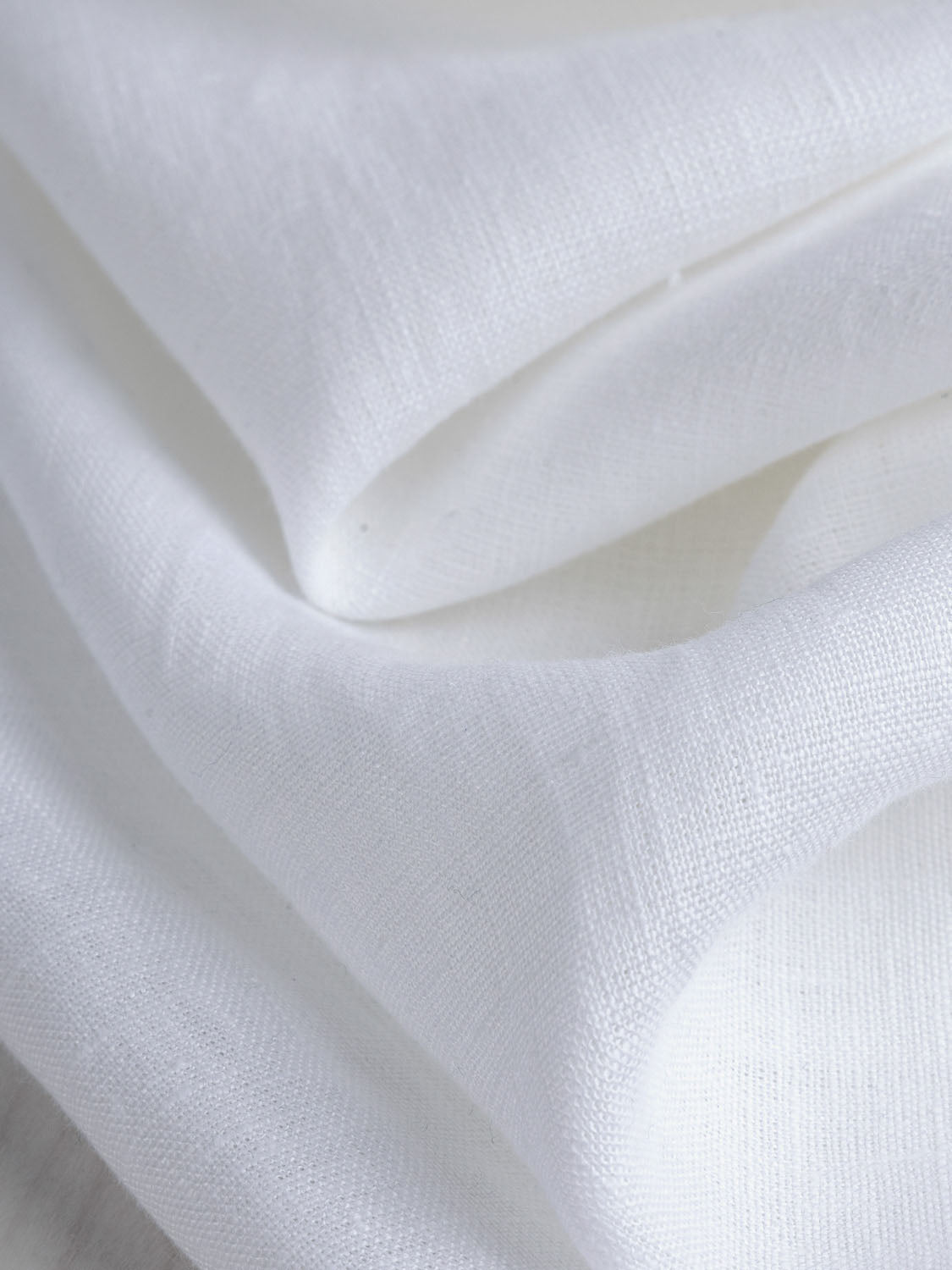
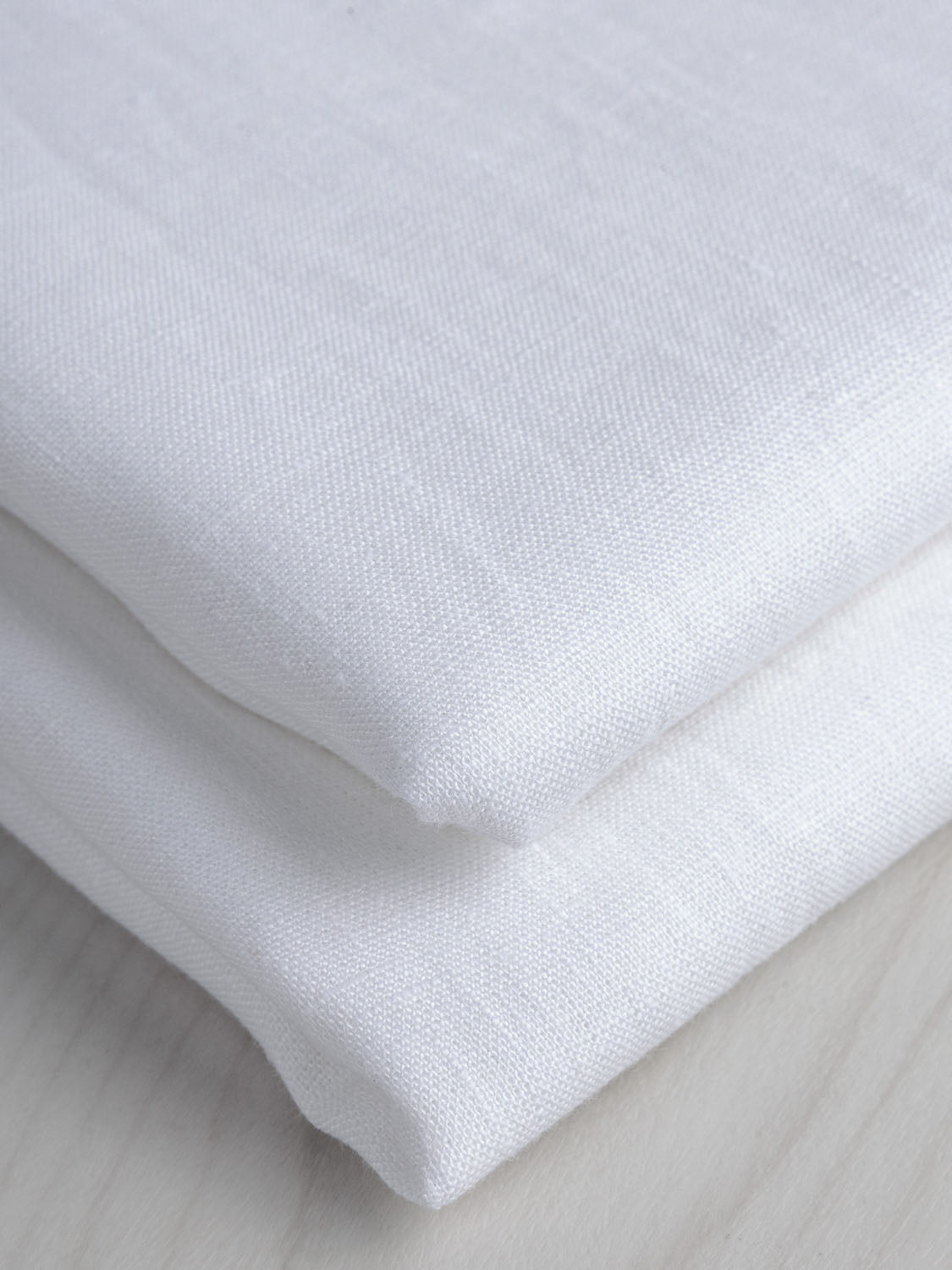
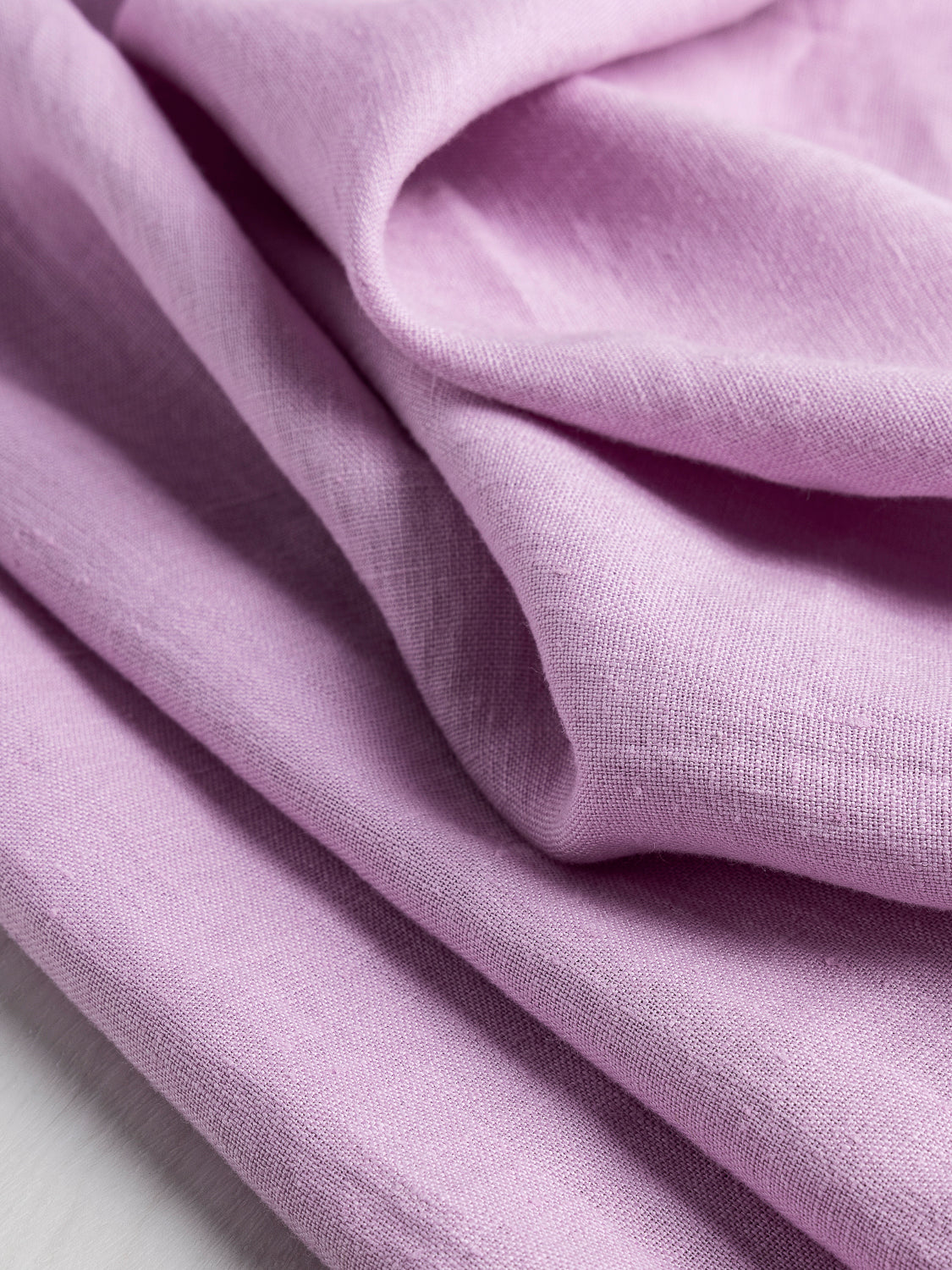
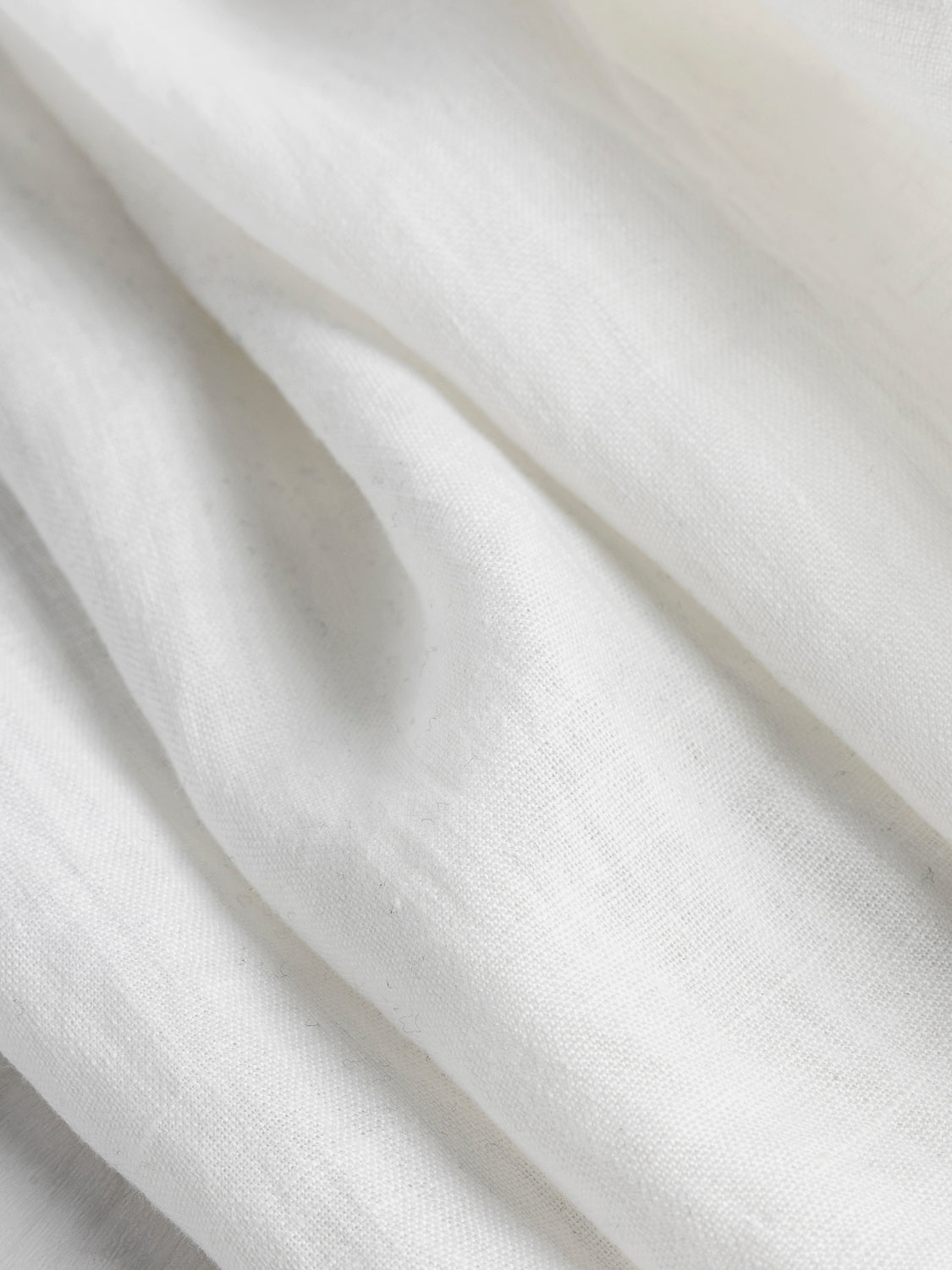
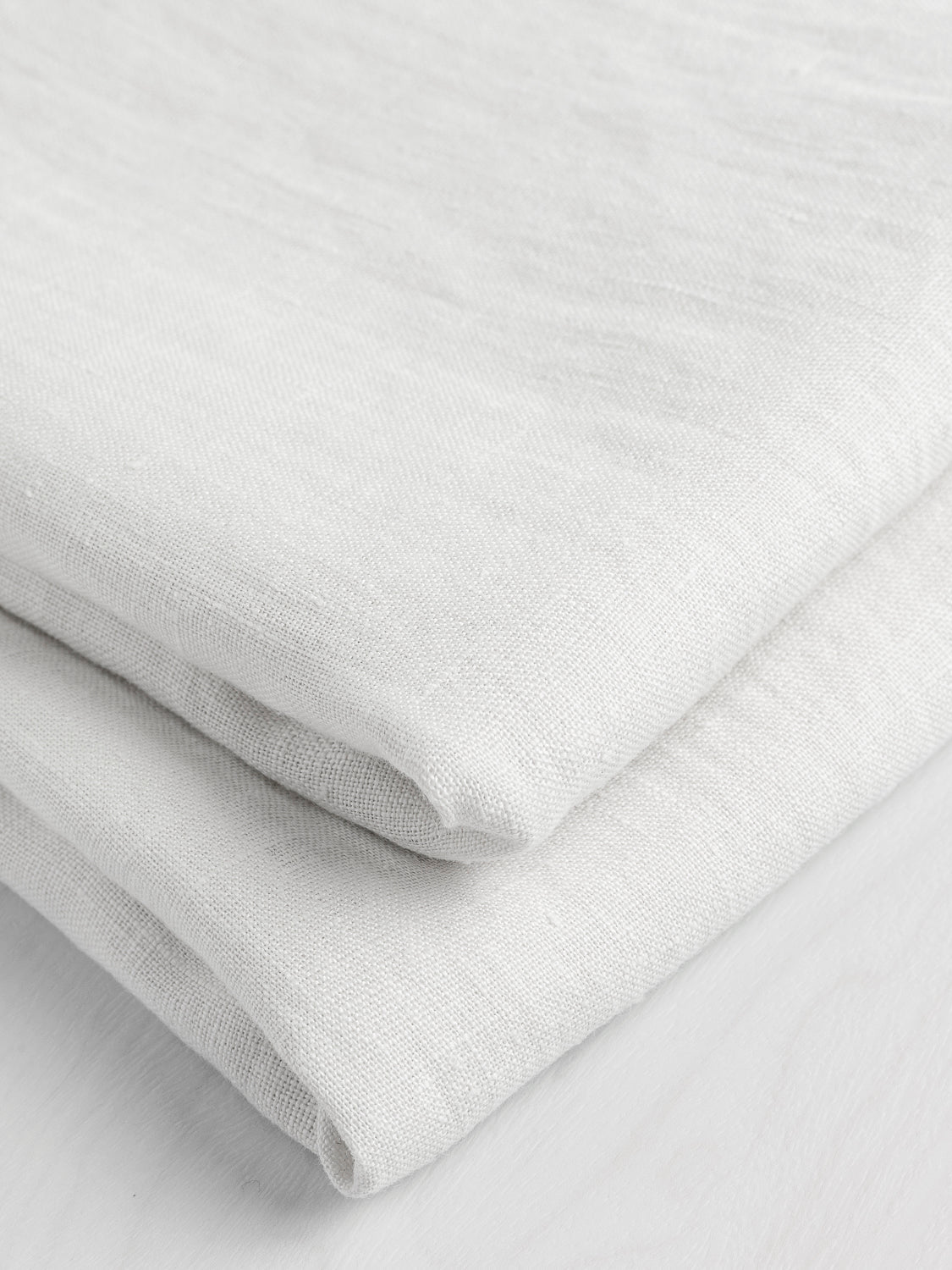
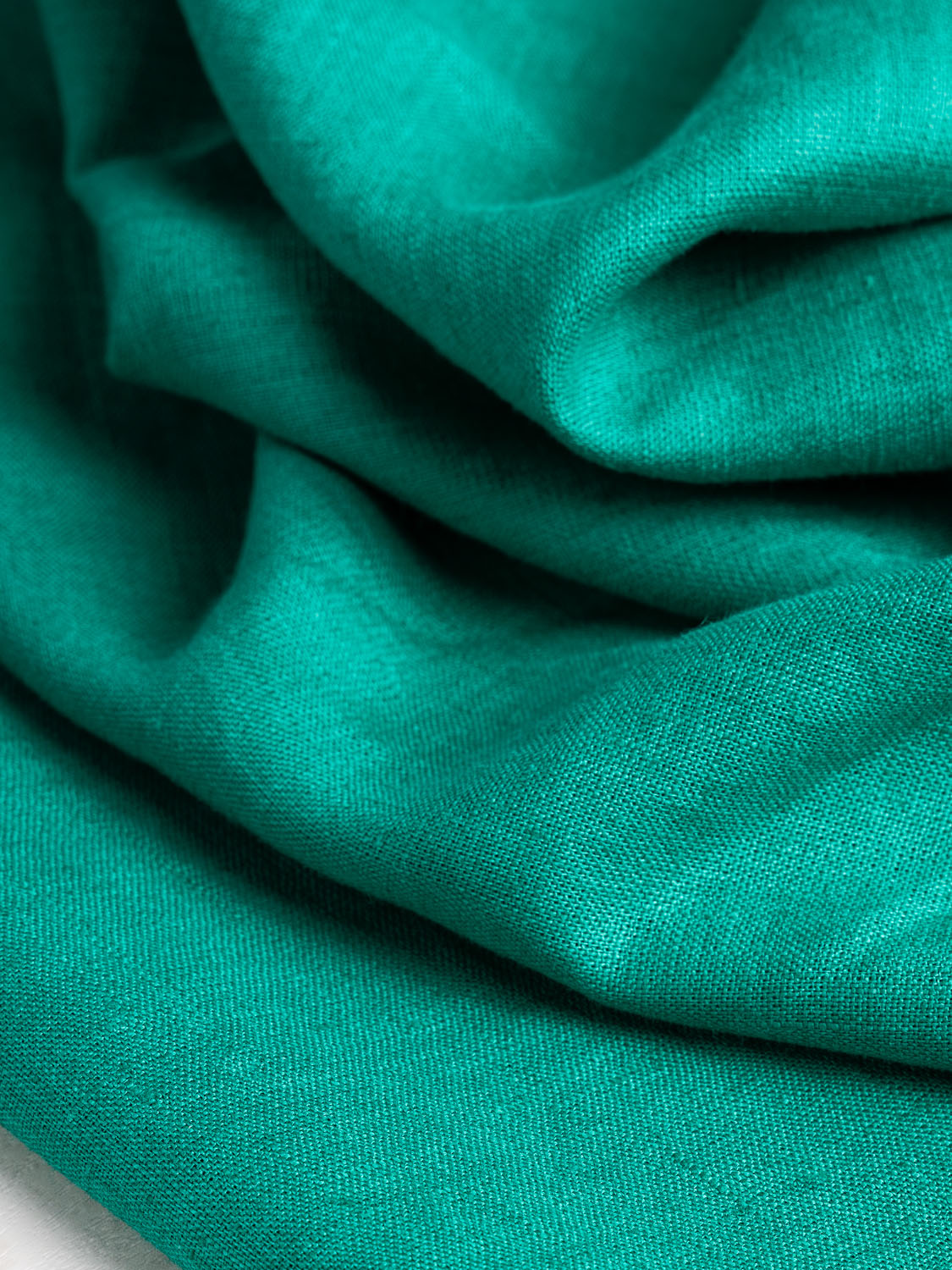
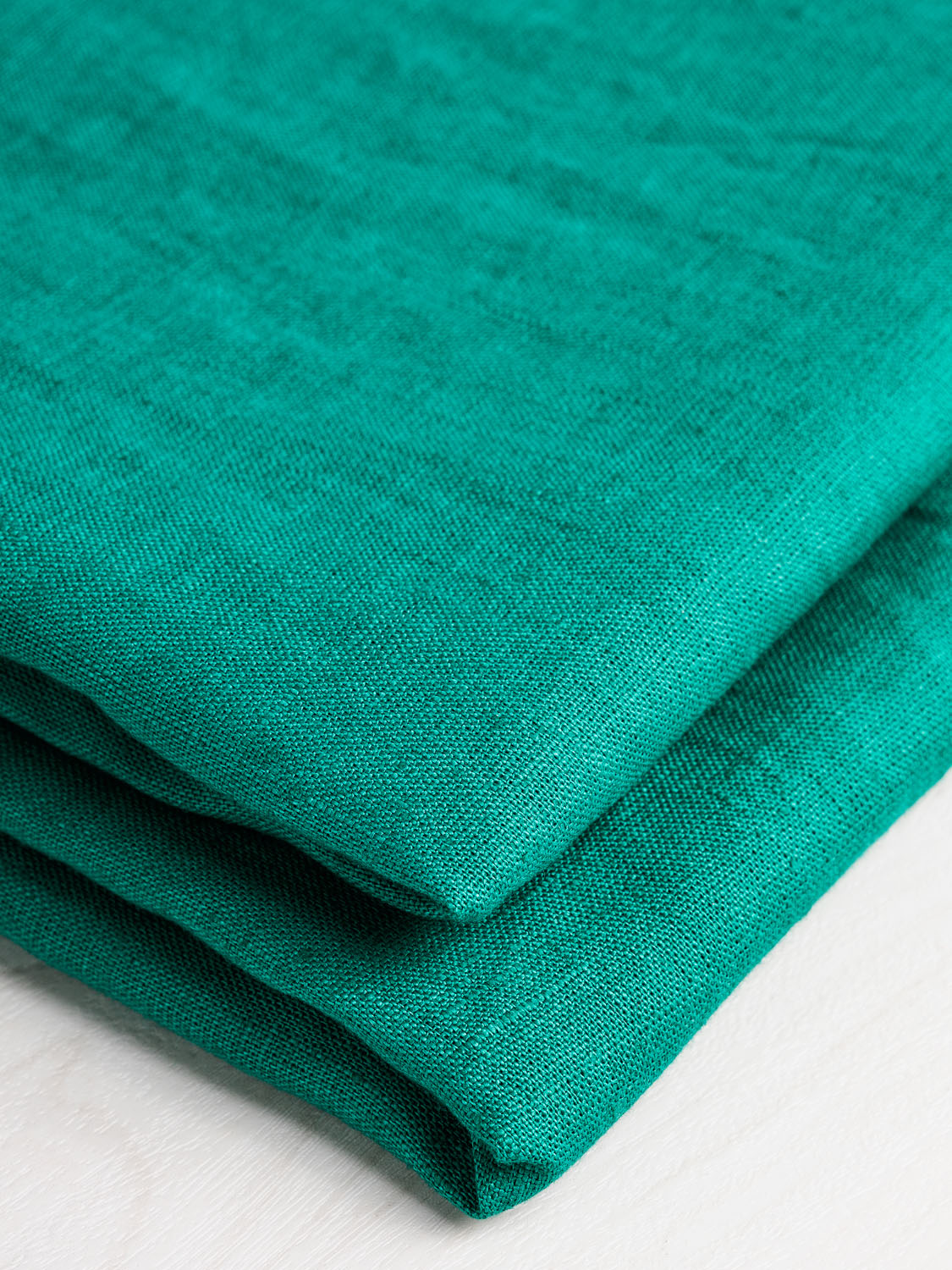
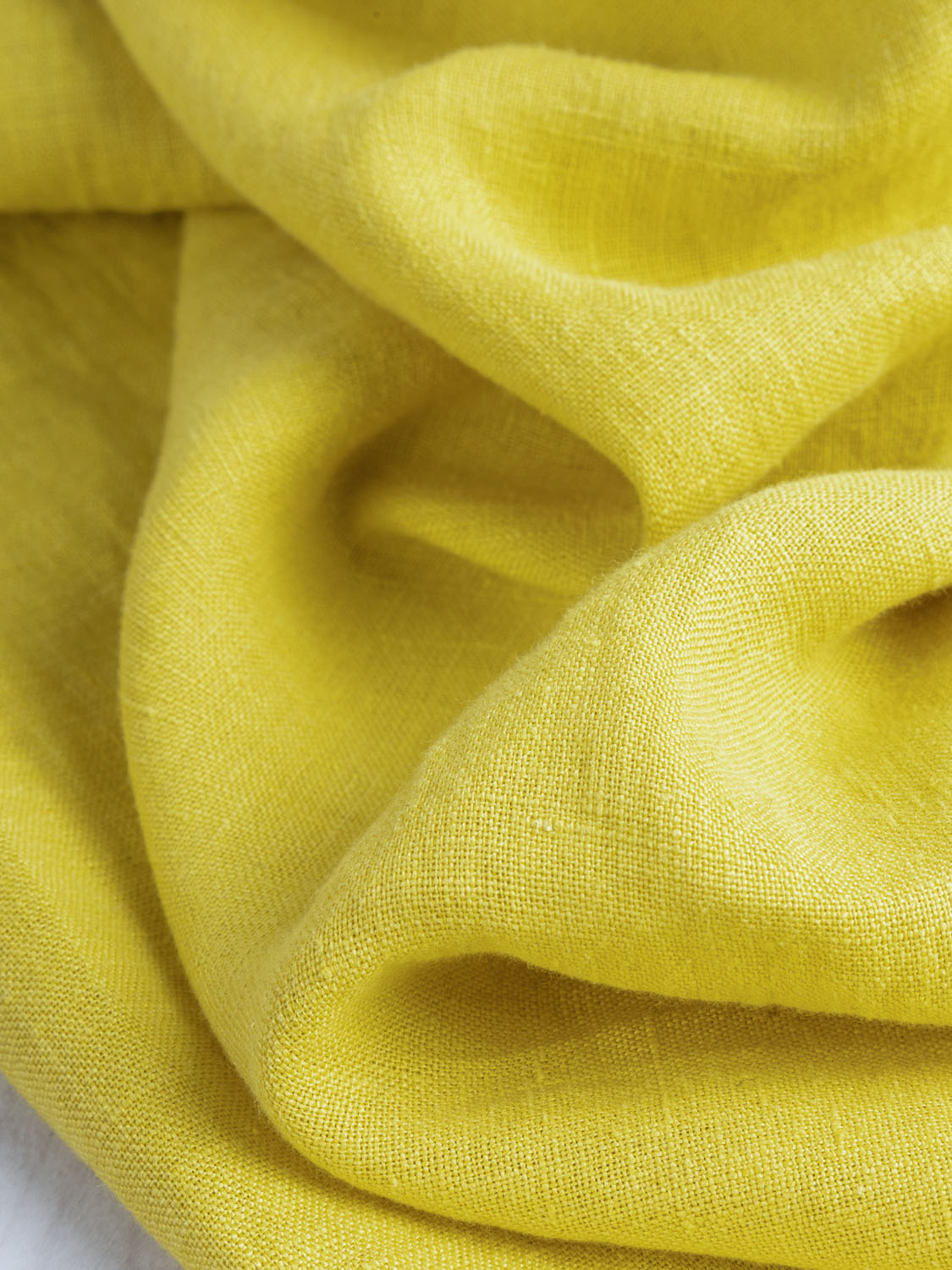
We love linen’s natural evolution, but we also know not everyone wants to wait. That’s why our midweight European linen is pre-softened through controlled washing and tumbling. This process relaxes the fibres and enhances drape while preserving strength. It feels comfortable from day one and continues to soften beautifully with each wash.
How to Soften Linen at Home
The first thing to know is that linen softens primarily through time and use. There’s no true shortcut, only gentle encouragement.
How Long Does Linen Take to Soften?
It depends on the linen fabric. Lightweight or pre-softened linen may feel comfortable immediately. Crisp midweight or heavyweight linen usually softens noticeably after 2–3 washes, with its fullest transformation happening over months of regular wear.
Before sewing
Pre-wash linen in warm (not hot) water with a mild detergent. This removes finishing residues and begins the relaxation process.
Avoid fabric softener, which coats fibres and can reduce breathability. A splash of white vinegar in the rinse cycle helps remove buildup instead.
Drying
Air drying is ideal, but a short tumble on low heat adds gentle agitation that encourages softening. Remove while slightly damp for easier pressing.
The most effective method: use it
And finally, the most important step: use it. Linen softens best through real life, through movement, wear, washing, and repeat. The more a linen garment becomes part of your daily rhythm, the better it feels. Linen isn’t meant to be precious. It’s meant to be lived in.
A Natural Fabric That Gets Better With Time
Linen’s ability to soften without losing integrity is what makes it special. It rewards patience and wear, aligning beautifully with slow fashion and long-lasting garments.
At Core Fabrics, we believe fabric should meet you where you are, and then grow with you. Whether you start with a crisp classic linen or our pre-softened midweight European linen, you’re investing in a textile that evolves alongside your making and your life.
Emmanuelle is in charge of our marketing department and is voice behind our product descriptions, newsletters, videos, social posts, and blog. If there’s a textile pun to be made, she’ll find it.
Emmanuelle is in charge of our marketing department and is voice behind our product descriptions, newsletters, videos, social posts, and blog. If there’s a textile pun to be made, she’ll find it.