Quick answer: If you want a smooth, versatile, wear-everywhere shirt, choose poplin. If you want a more structured, traditional button-up look, choose oxford.
Sewing a button-up shirt is a bold move. There are collars. There are plackets. There are approximately 47 pressing steps (I didn’t count, but it feels that way every time I sew one.) And while the pattern gets most of the attention, the shirting fabric you choose is what really determines whether your shirt feels smooth and versatile or structured and traditional.
Poplin and oxford are two of the most classic shirting fabrics and while they’re both cotton and both perfect for button-ups, they create very different results. Let’s break it down.
Poplin vs. Oxford: What’s the Difference between these two shirting fabrics?
Shirting Fabric
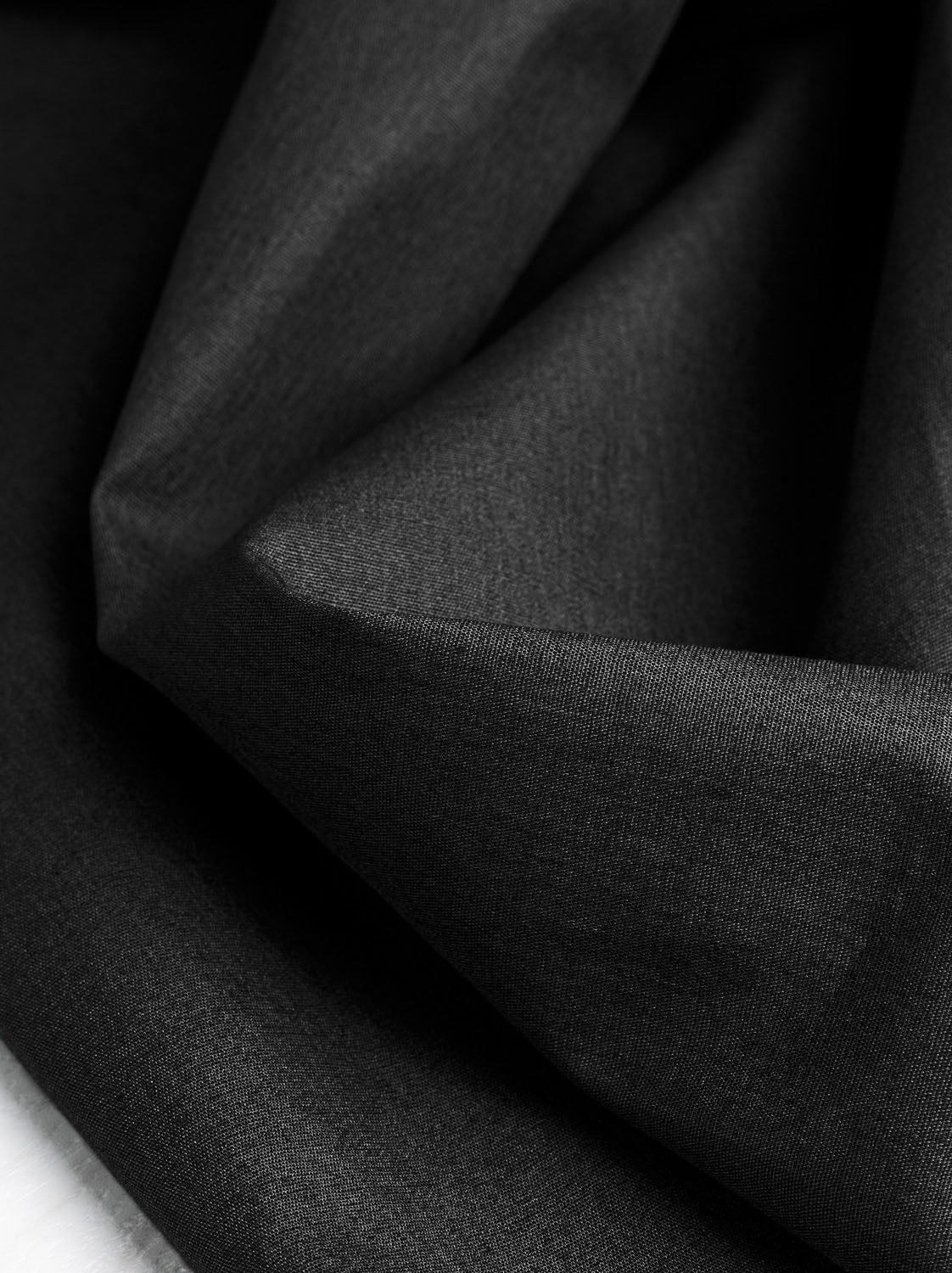
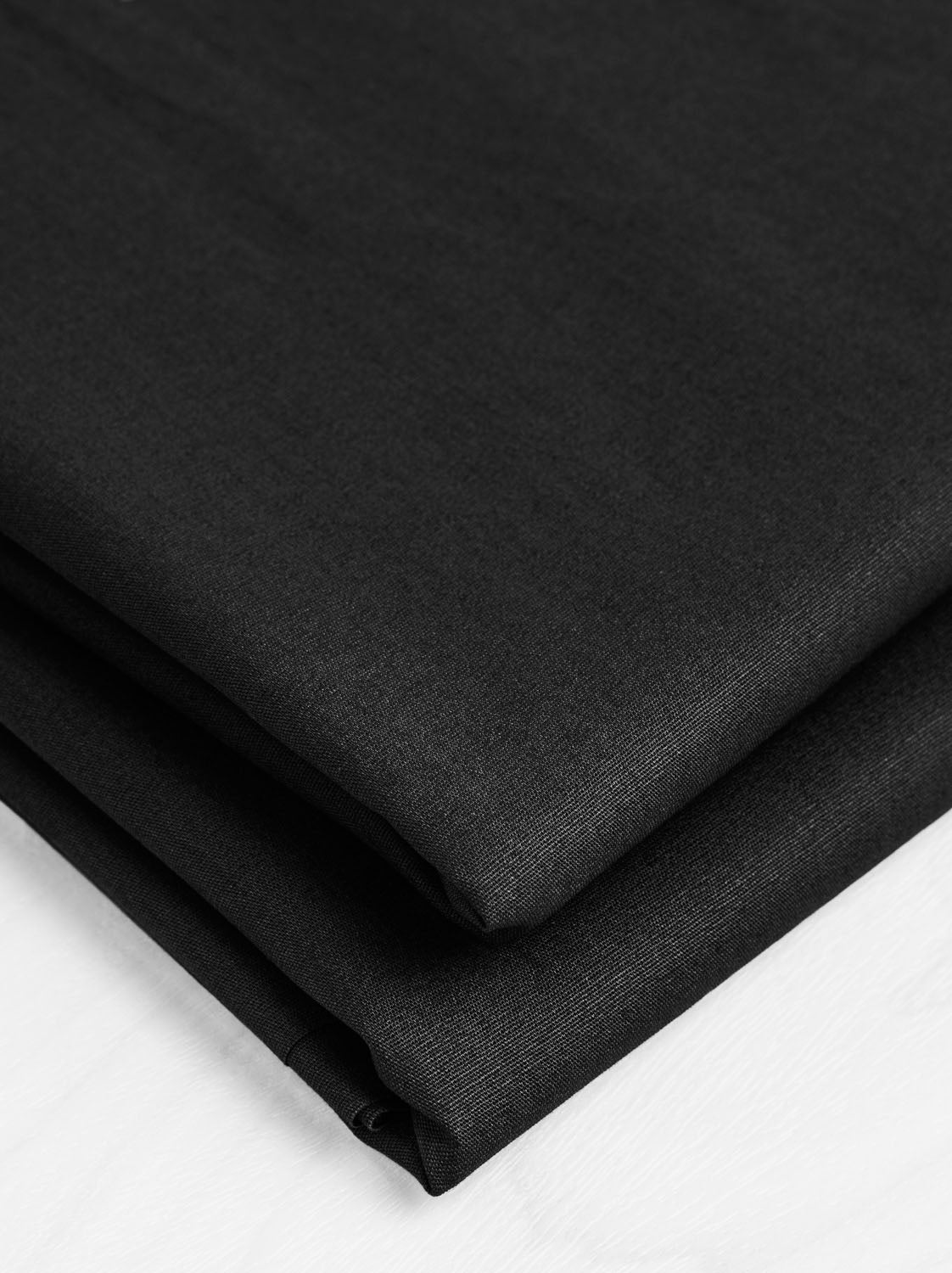
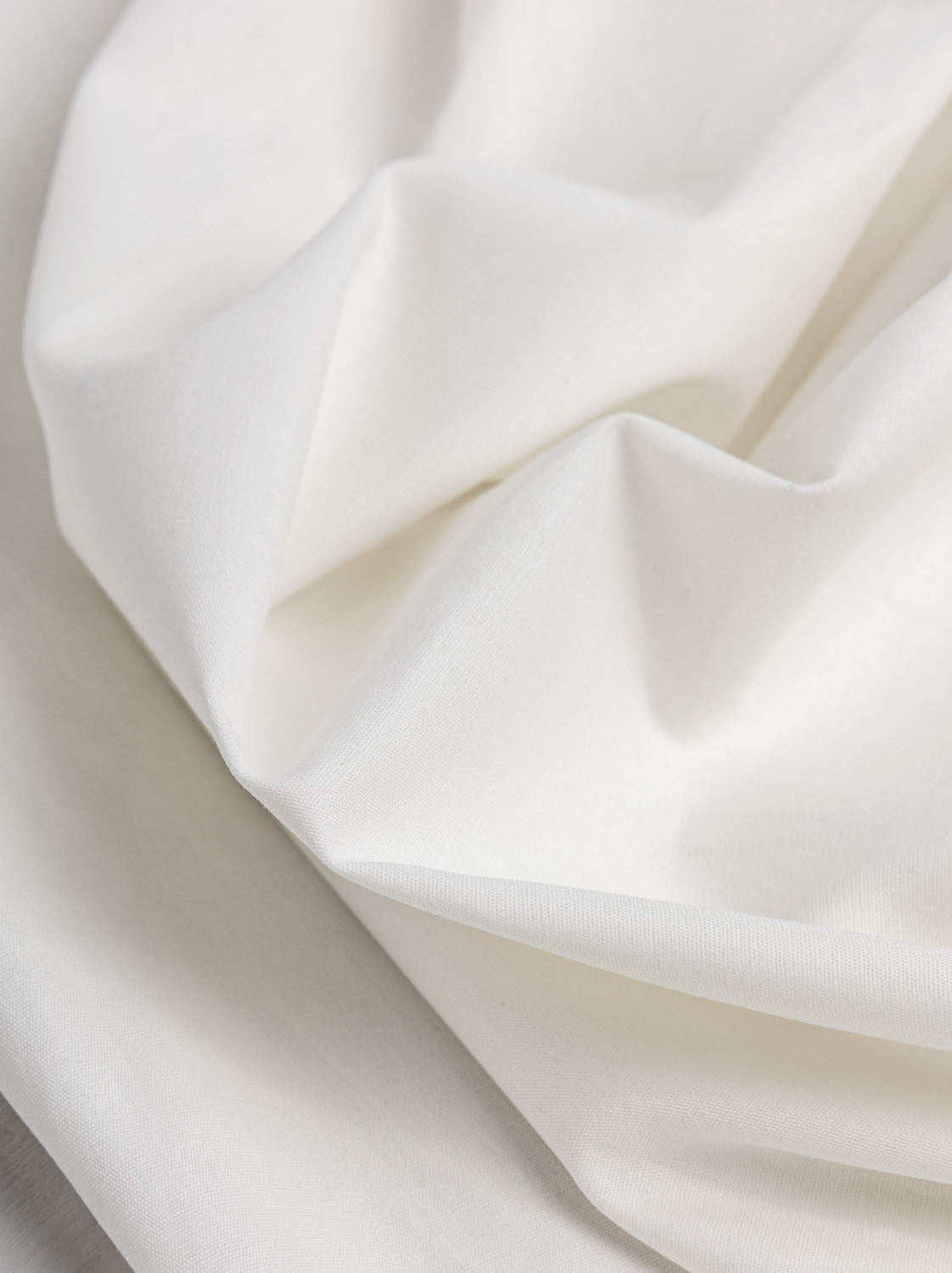
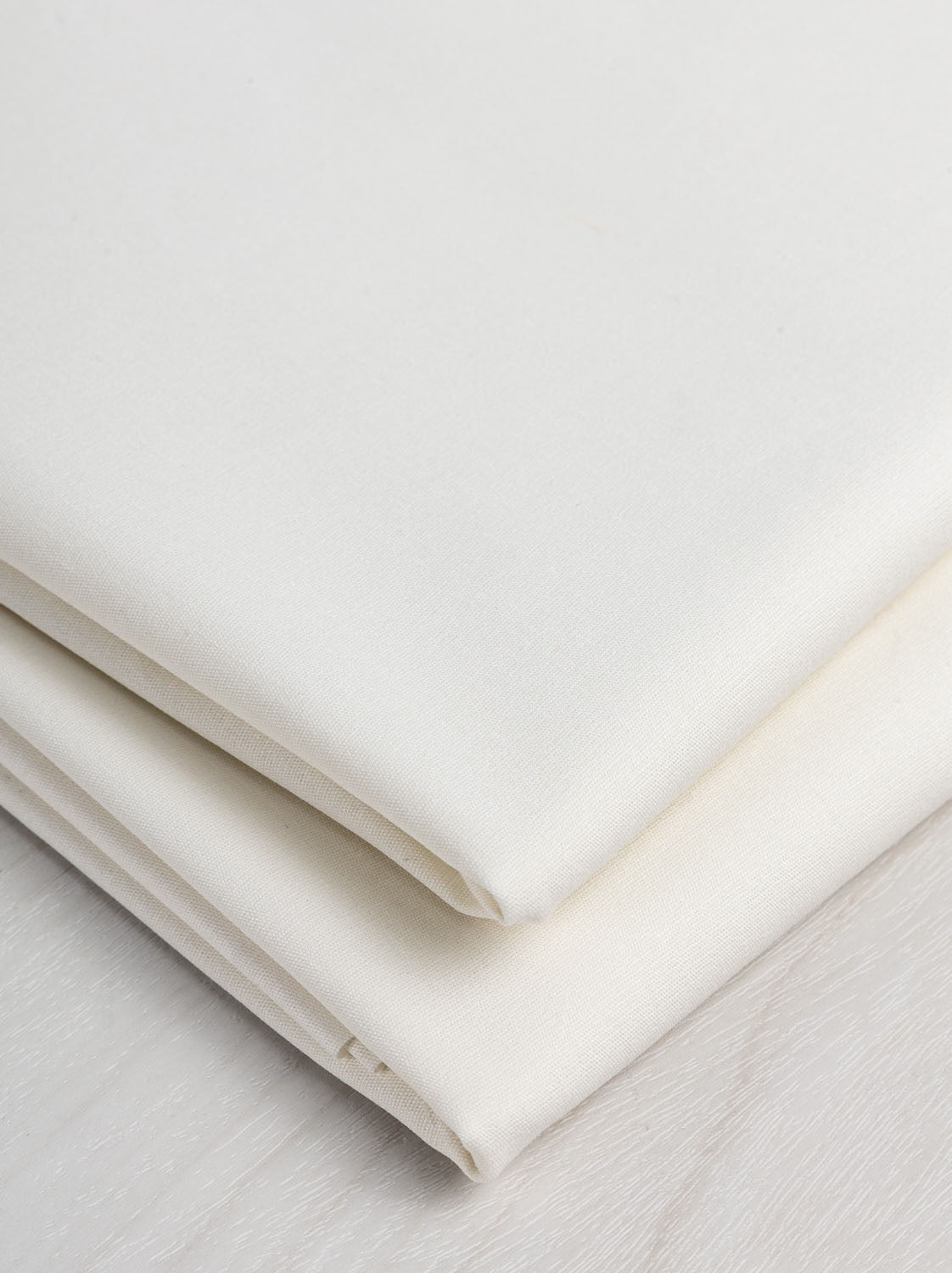
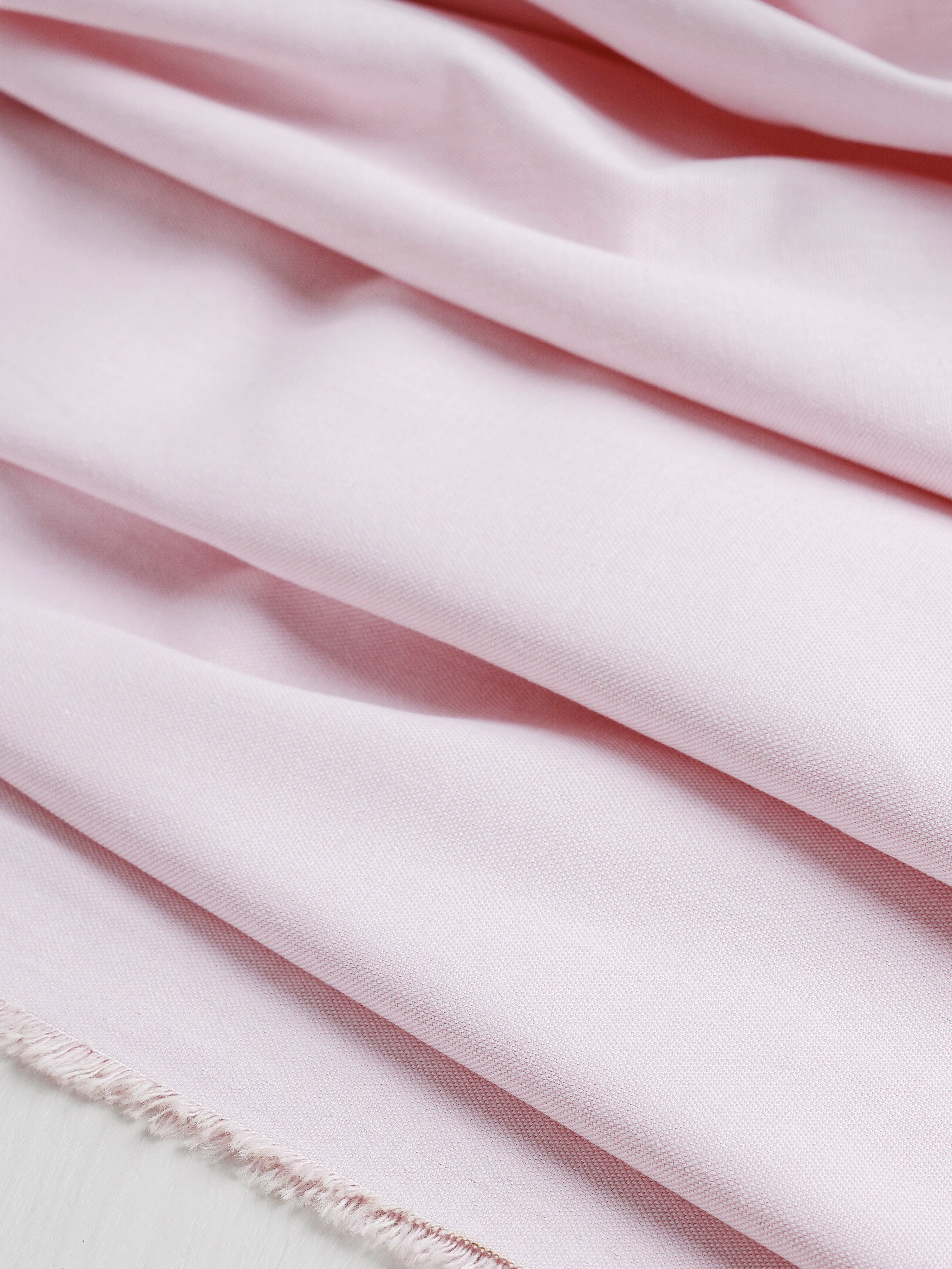
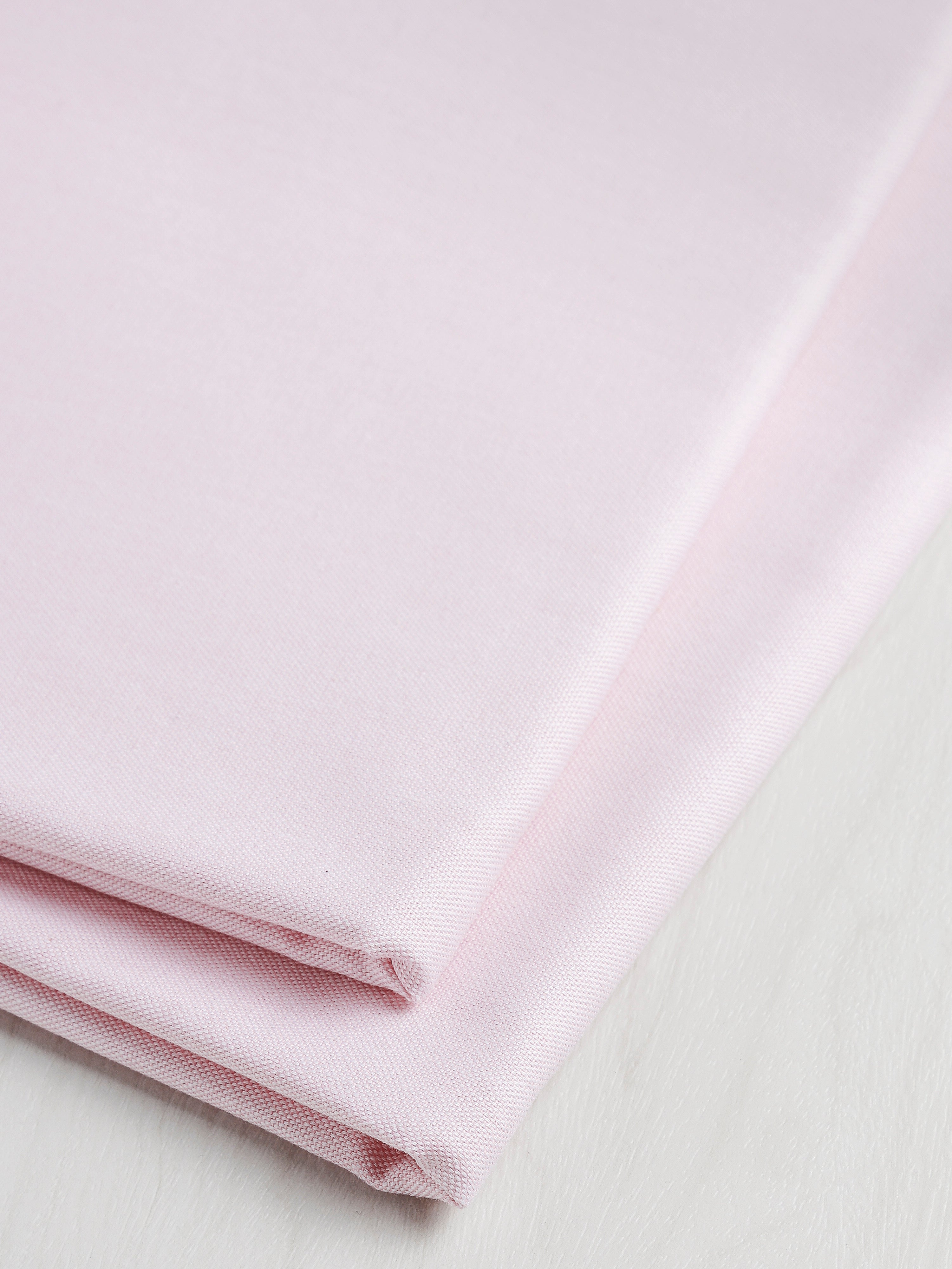
Lightweight Silky Poplin
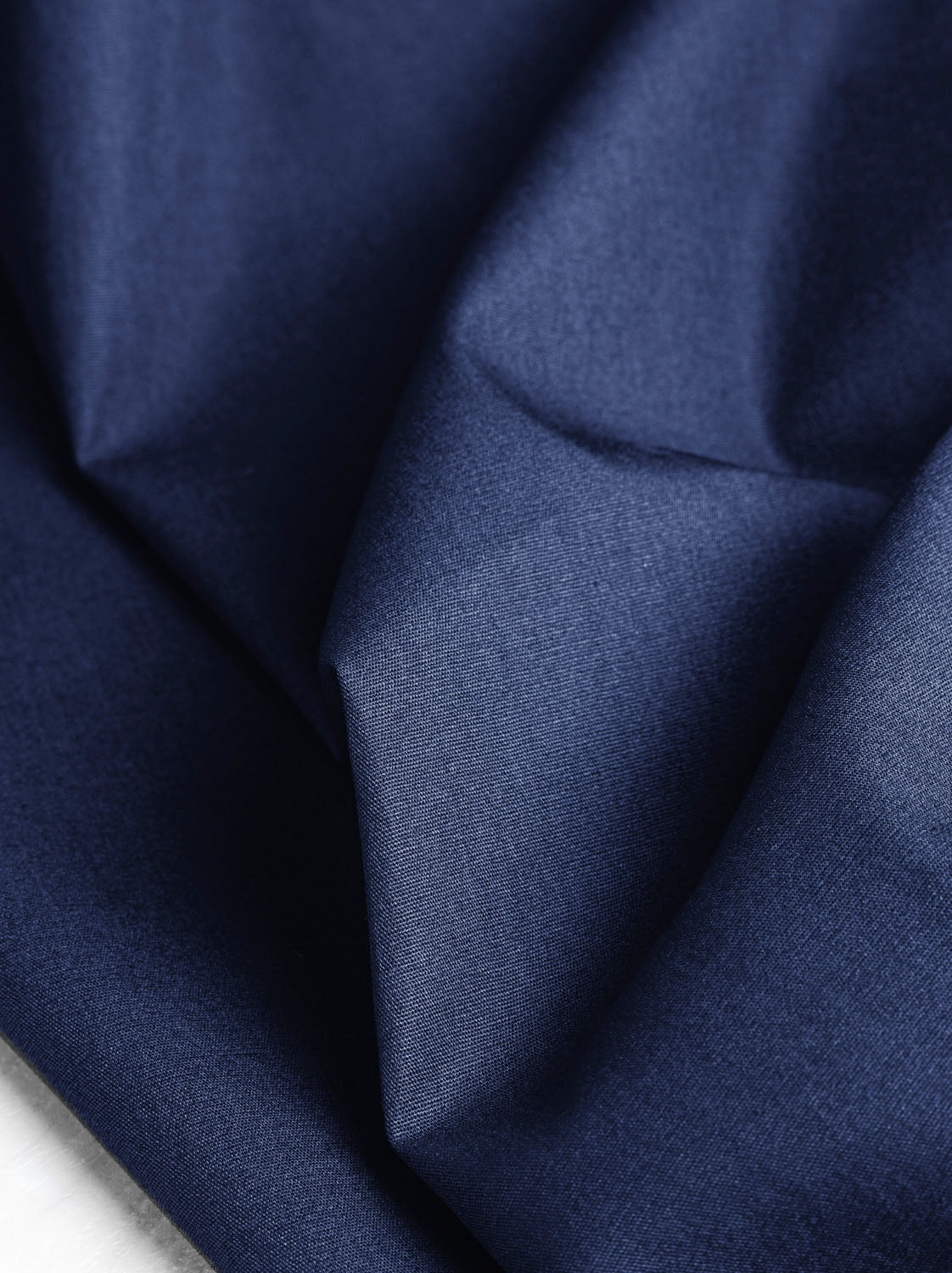
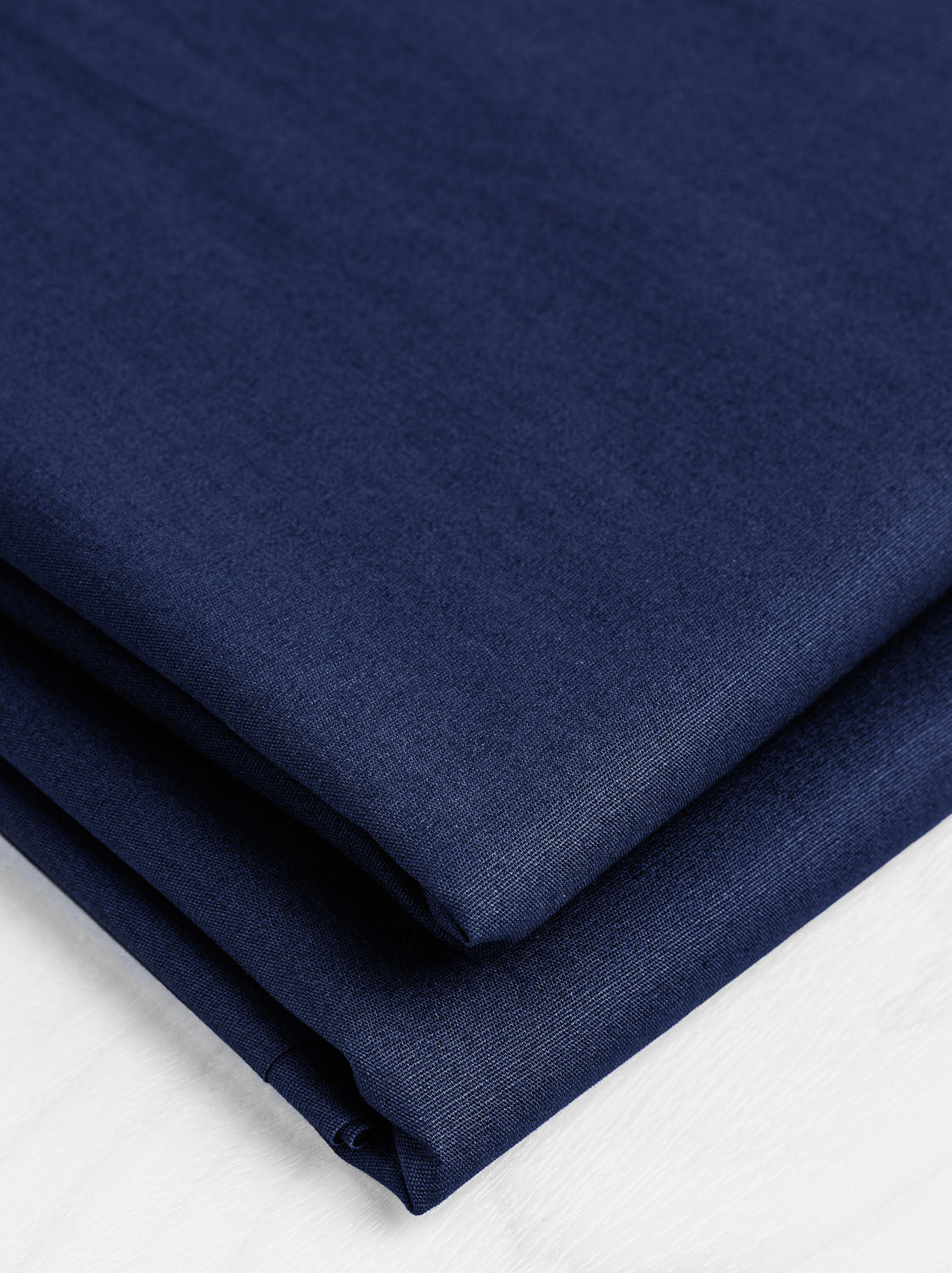
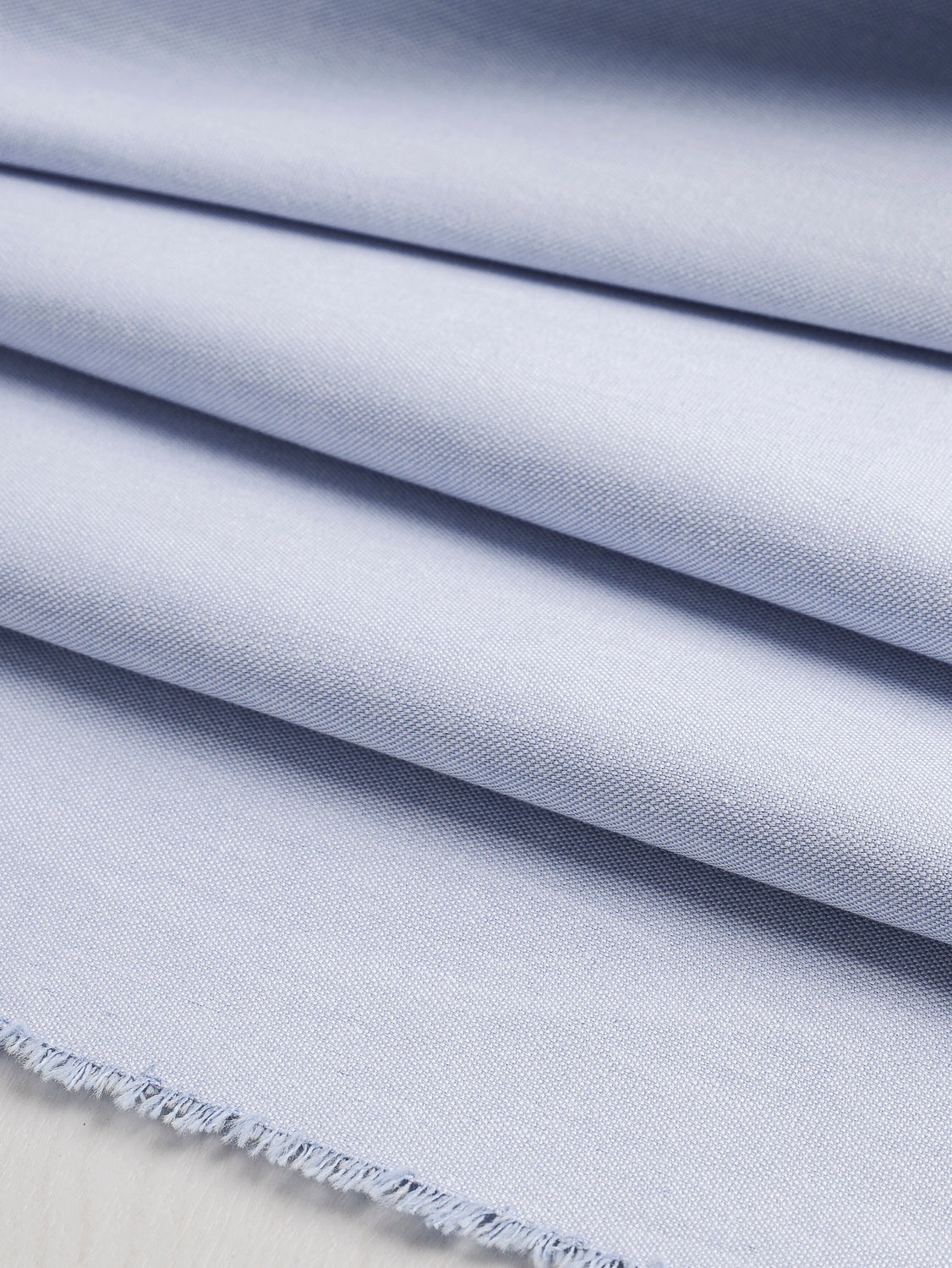
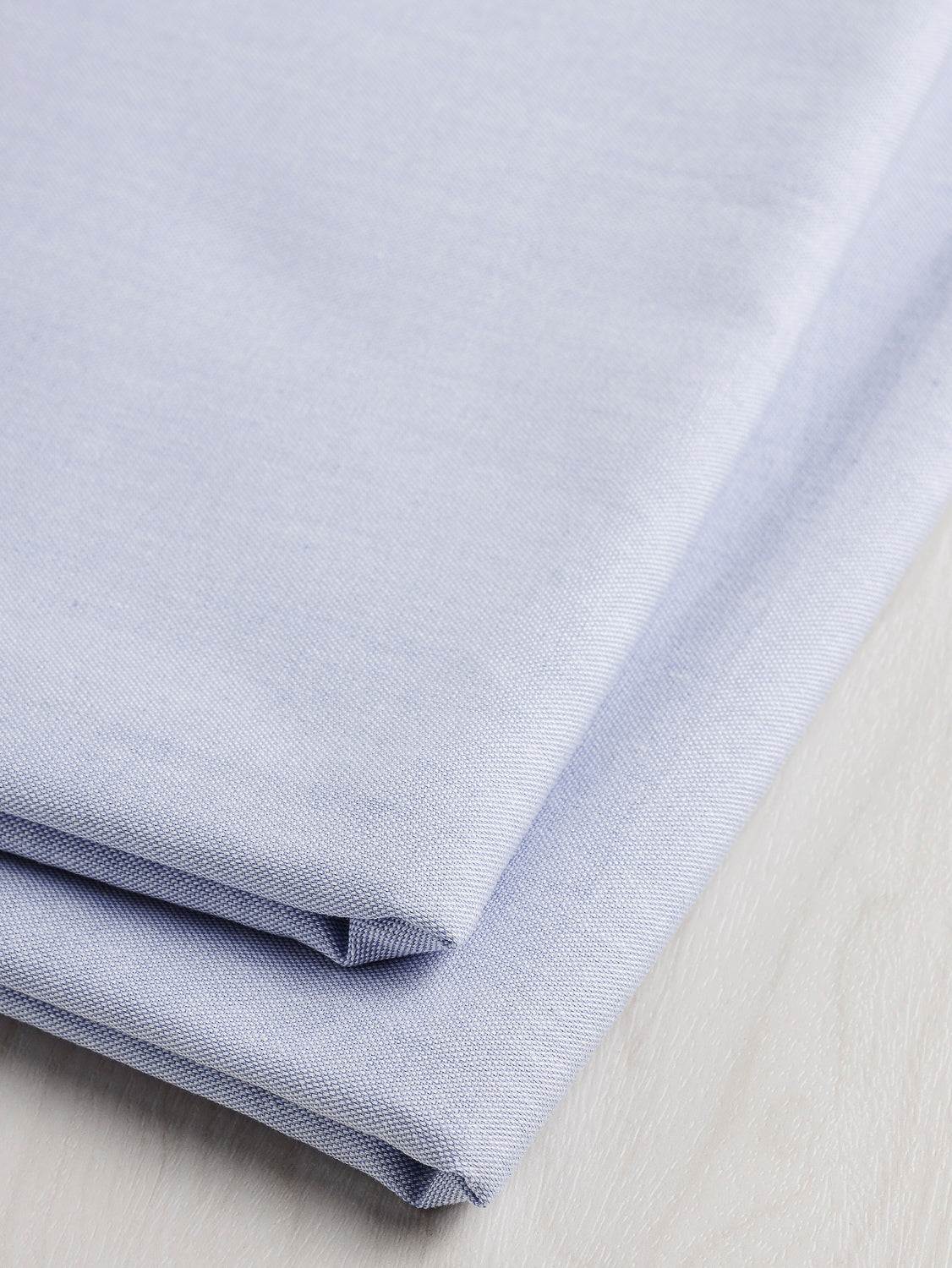
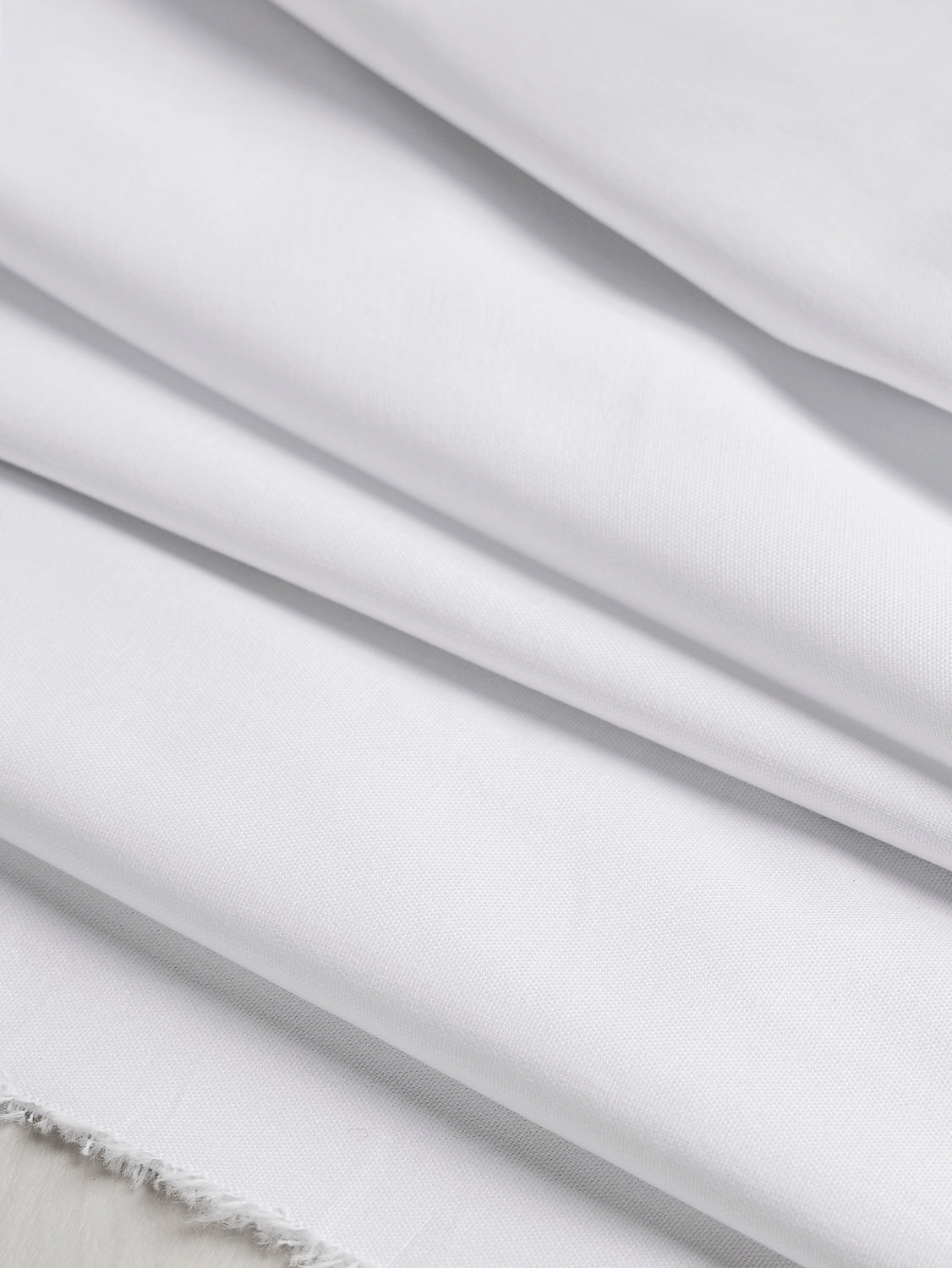
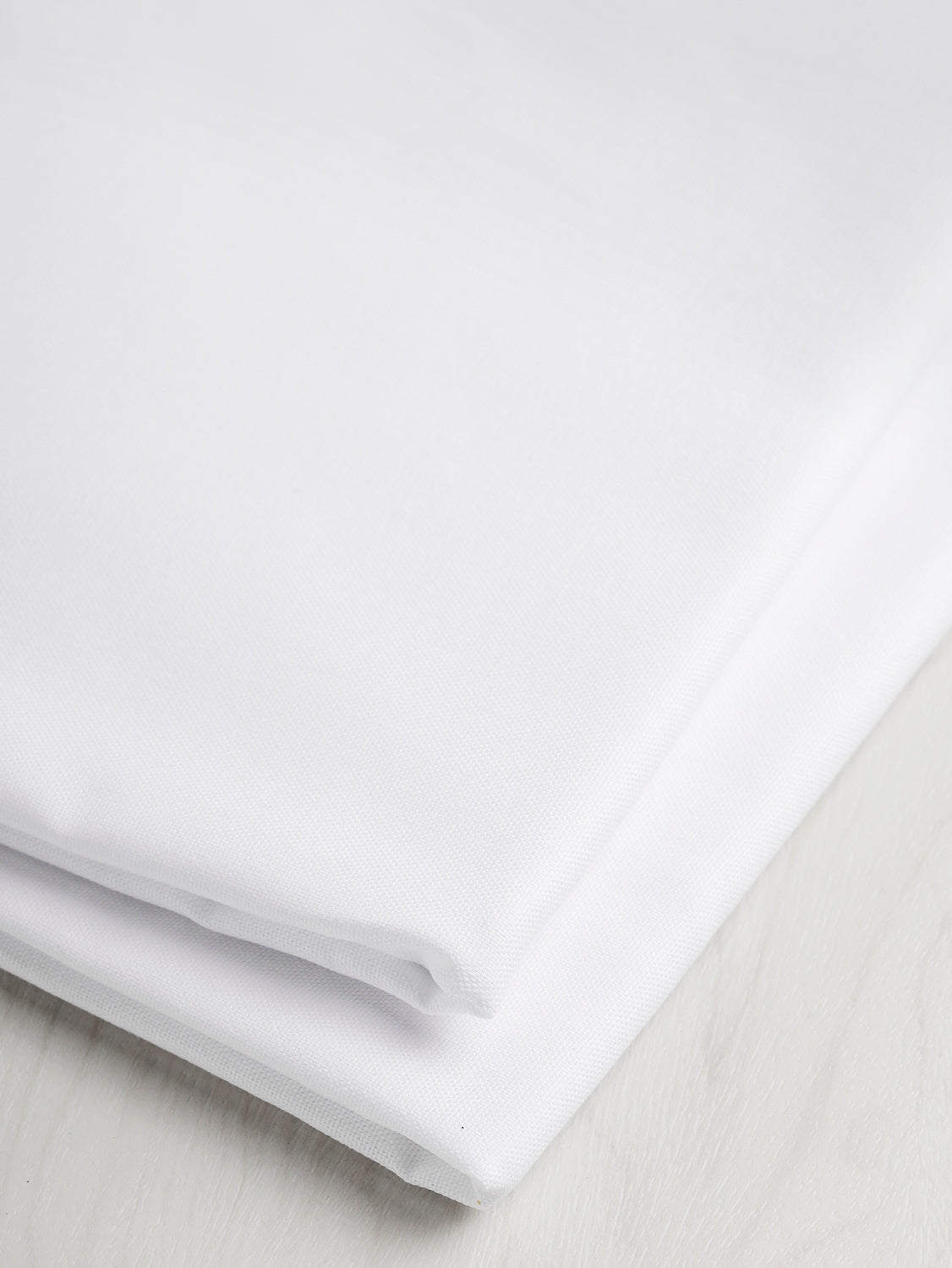
Cotton Oxford Shirting
Weave
Plain weave
Basketweave
Feel
Smooth, softly crisp
Slightly textured, more substantial
Structure
Medium
High
Collar + Cuffs
Clean and defined
Sharp and structured
Weight
Lightweight
Slightly thicker
Best For
Everyday shirts
Classic button-downs
Choose Poplin for a Crisp, Wear-Everywhere Shirt
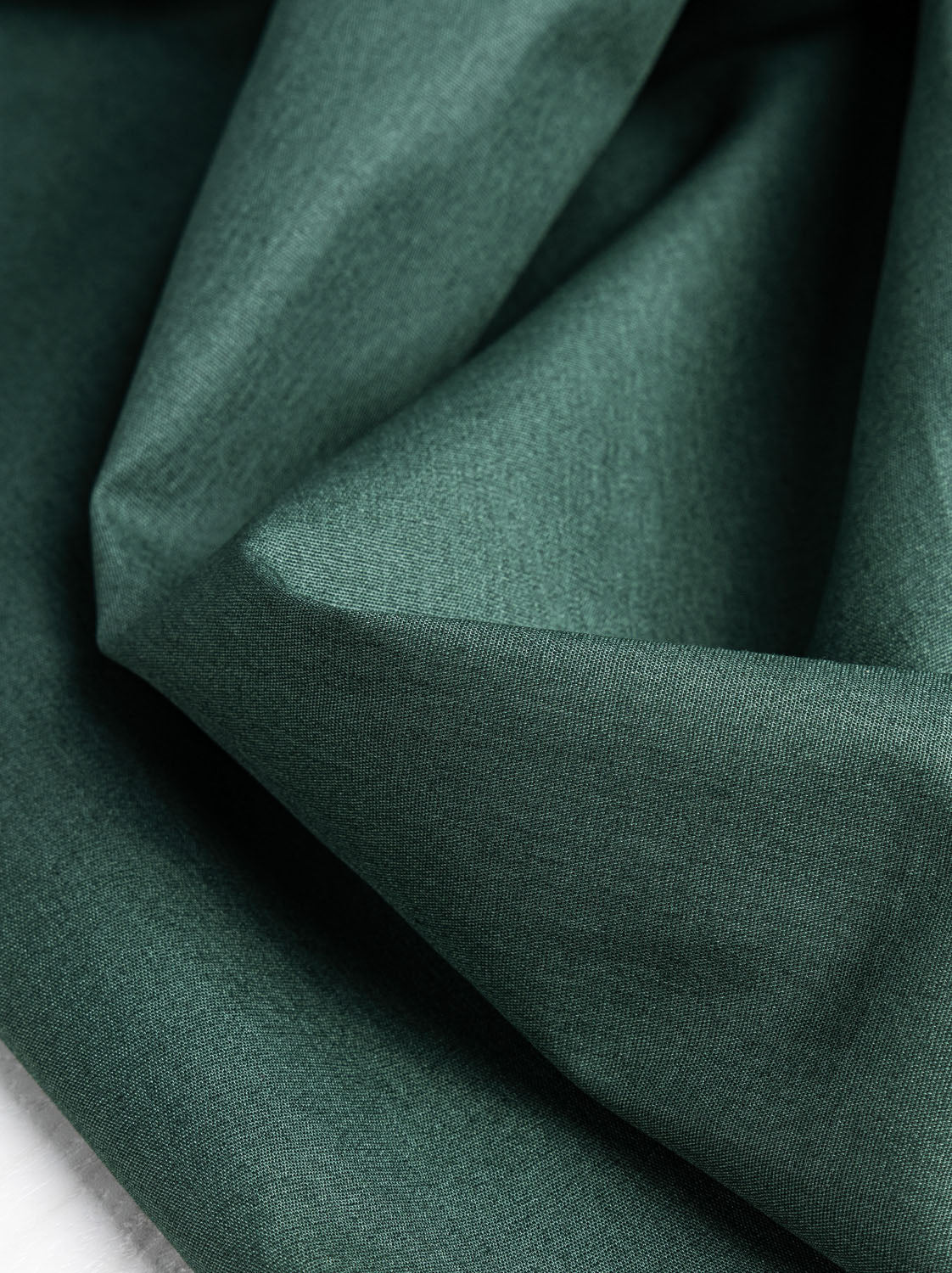
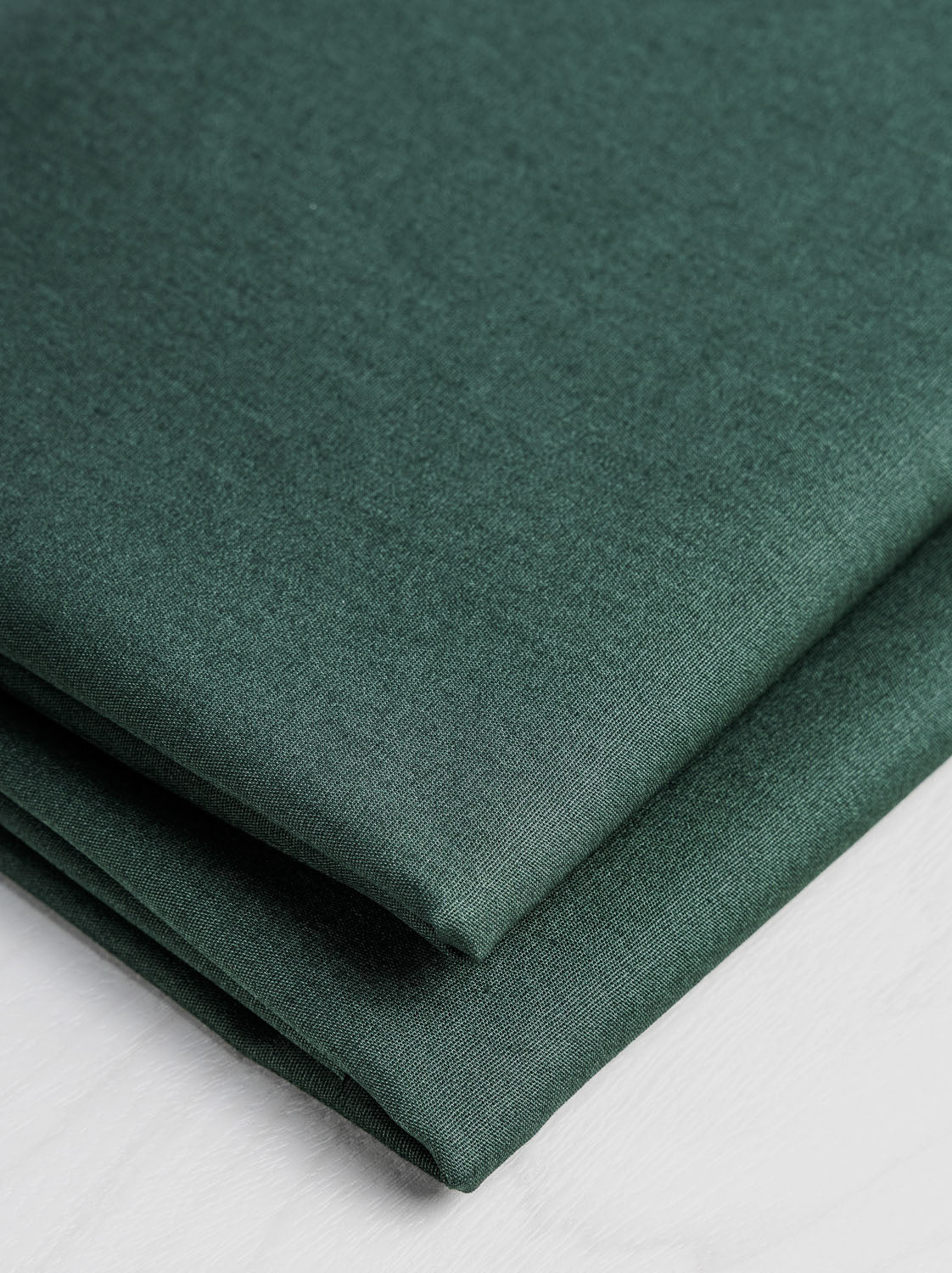
Poplin is the quiet workhorse of shirting fabrics. It’s tightly woven, smooth, and presses beautifully, with just enough crispness to give collars and plackets clean definition without feeling stiff.
Our lightweight silky poplin is made from 100% BCI cotton. It’s breathable, fully opaque, and stable under the needle, a dream for precise shirt details and clean topstitching.
If you want to make a statement shirt, we often carry cotton poplin prints, from florals to stripes and novelty motifs.
If you’re sewing your first button-up, poplin is forgiving and predictable. If you’re sewing your tenth, it still delivers that smooth, polished finish.
Choose Oxford for a True Classic Button-Down
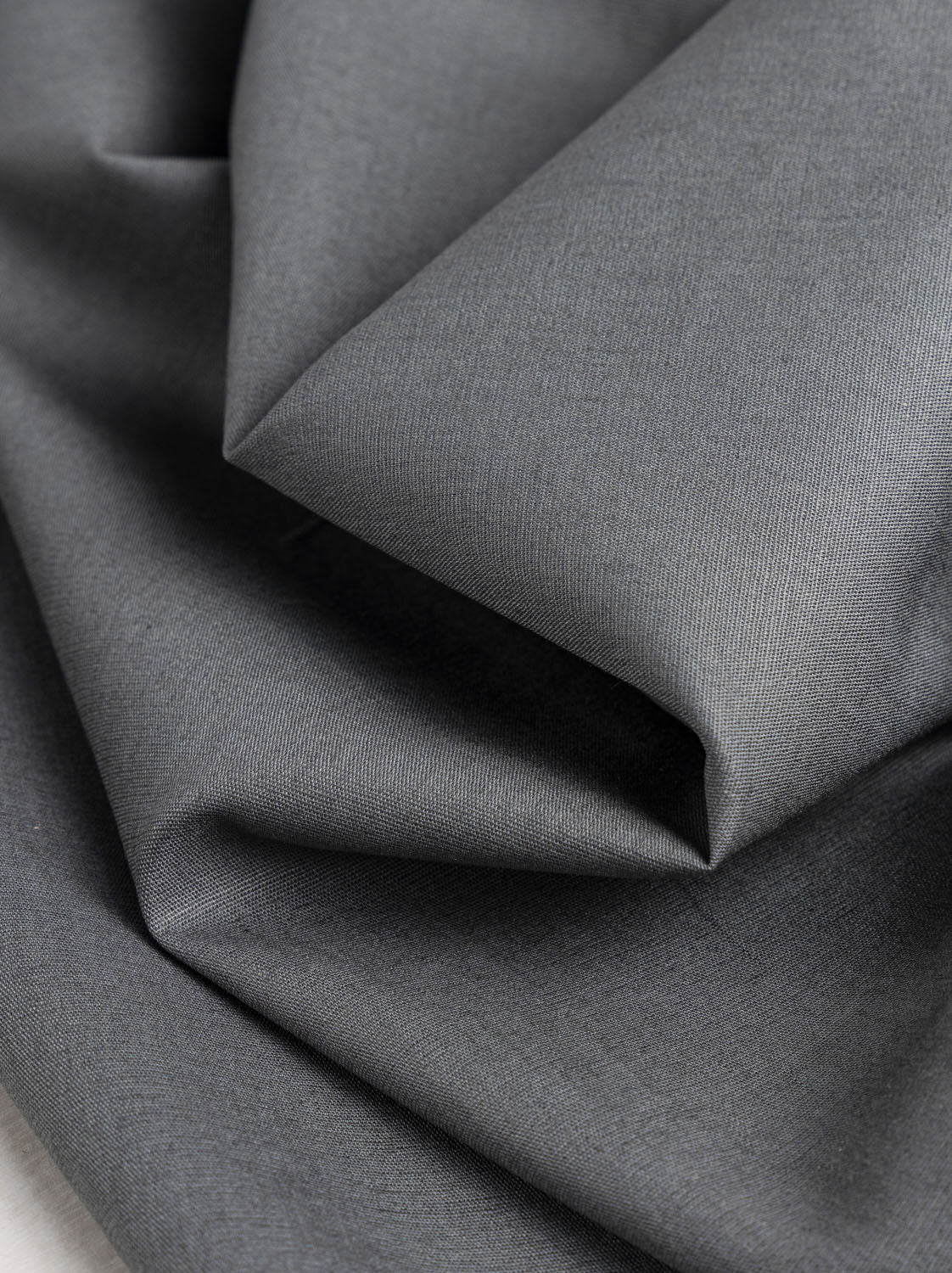
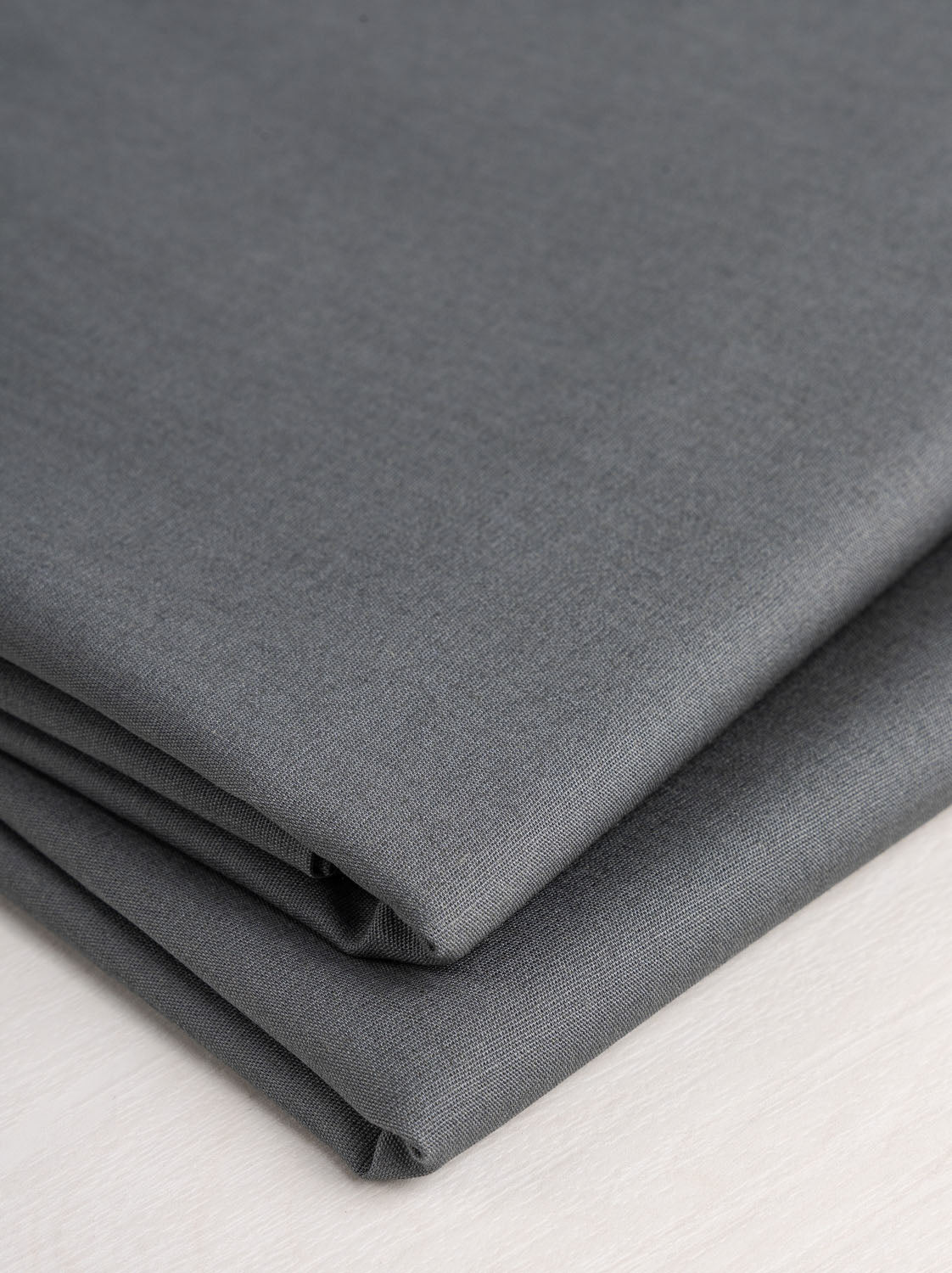
Oxford is woven in a basketweave, which gives it subtle texture and more body. It’s still lightweight, but noticeably more structured than poplin.
Our cotton oxford shirting is made with BCI cotton and yarn dyed with a white weft, giving it that timeless, slightly chambray-inspired look. This classic shirting fabric holds collars sharply, supports cuffs beautifully, and gives your shirt that unmistakable “real button-down” feel.
Compared to poplin, oxford also gets softer and more rumpled with washing.
If you’re going for something traditional, tailored, and slightly preppy, oxford is the perfect choice.
Button-Up vs. Button-Down: What’s the Difference?
These terms are often used interchangeably, but they’re not quite the same:
A button-up refers to any shirt that buttons all the way up the front.
A button-down is a specific type of button-up that has small buttons securing the collar points to the shirt.
Traditionally, button-down collars are often made in oxford cloth, which is why oxford is so closely associated with classic, preppy shirts. But you can absolutely sew either style in poplin or oxford, it simply changes the level of structure.
Care Instructions for Cotton Shirting
Button-ups reward precision, so prep matters for shirting fabrics!
Prewash your shirting fabric the way you plan to wash the finished shirt. Cotton can shrink, and it’s better for that to happen now. Wash gentle, tumble dry low or air dry.
Press thoroughly before cutting. Wrinkles distort pattern pieces and affect collar and placket accuracy.
Poplin presses crisp with steam. Oxford can handle slightly higher heat and benefits from steam to flatten the weave for clean sewing. Press as you sew — it’s what makes a shirt look tailored rather than homemade.
Press as you sew. Flat seams and crisp edges are what give a button-up its tailored finish.
Whether you choose the smooth versatility of poplin or the classic structure of oxford, our curated shirting fabric collection is designed for beautiful, long-lasting button-ups. Explore our responsibly sourced cotton shirtings and start sewing your next wardrobe staple. Once you sew one great shirt, somehow you suddenly need five.
Emmanuelle is in charge of our marketing department and is voice behind our product descriptions, newsletters, videos, social posts, and blog. If there’s a textile pun to be made, she’ll find it.